Sumba is one of those rare islands where the timing of your trip changes the whole experience. The same hills that glow gold and dry under a May sun turn deep green and alive after a few weeks of December rain. The waterfalls that barely trickle in August thunder through the canyons in February. Even the surf, the roads, and the festivals move with the seasons. So the honest answer to "when should I go" is not a single month. It is a question of which version of Sumba you want to see.
Here is the full picture, month by month, from people who live on the island.
The short answer: when to visit Sumba
The best time to visit Sumba is the dry season, from May to October. These months bring reliable sunshine, low humidity, calm seas, and the island's famous golden landscapes. June to September is the sweet spot for warm days, clear skies, and the cleanest surf. If you want to see the Pasola Festival, you will need to come in February or March instead, during the green season.
Sumba's two seasons: dry and wet
Sumba has a tropical climate with two clear seasons and very little in between.
The dry season runs from roughly May to October. Rainfall is sparse, skies are open, and the heat is tempered by a steady breeze off the Indian Ocean. The landscape shifts from green to a dramatic savanna gold. This is the classic Sumba most travelers picture, and it is the easiest time to move around the island.
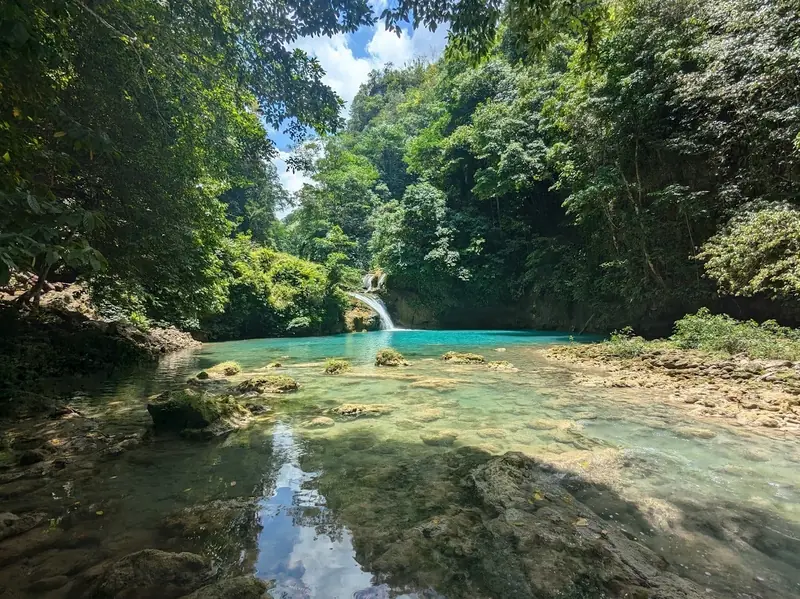
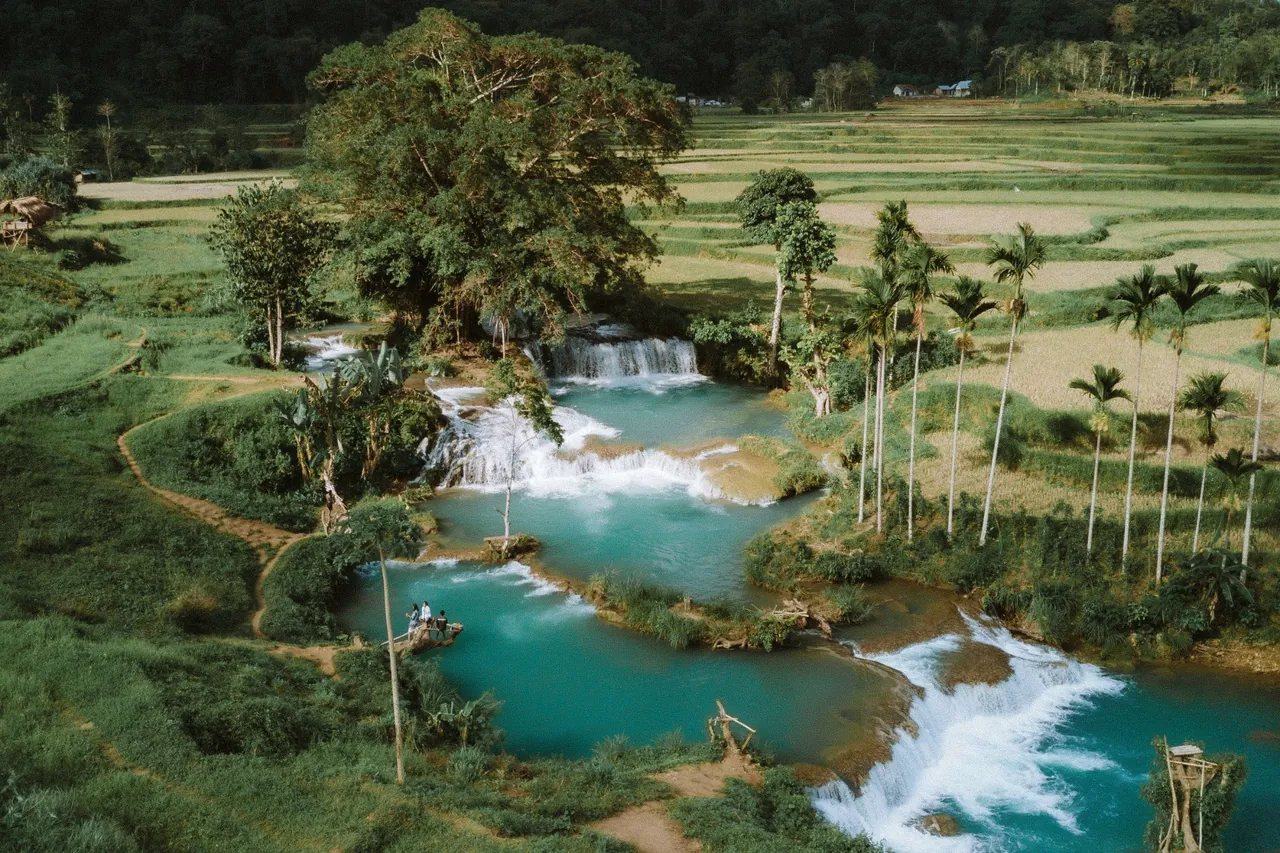
The wet season runs from November to April, with the heaviest rain falling between December and February. Rain tends to come in short, intense afternoon downpours rather than all-day grey, and the island responds quickly: hills turn emerald, rivers fill, and the waterfalls reach their peak. Temperatures stay warm year round, with daytime highs in the low 30s Celsius and nights in the low 20s. The sea is swimmable in every month.
In short: dry season for weather and surf, wet season for green and waterfalls.
Sumba weather month by month
Use the interactive planner below. Tap what matters most for your trip and it will highlight the best months on the climate chart, which shows average temperature and rainfall across the year. The dry-season band is shaded so you can see the comfortable window at a glance.
When should you go to Sumba?
The island changes completely between seasons. Tell us what you are coming for, then see how the weather lines up across the year.
Monthly averages for West Sumba (Tambolaka).
A few patterns worth knowing. August is the driest month of the year and one of the most reliable for a beach trip. February is the wettest, and also the heart of Pasola season. October and November are the warmest months, when the dry heat builds just before the first rains arrive. And because Sumba sits close to the equator, daylight and temperature barely change across the year. What changes is the rain.
One note on data: most online weather pages average the whole island or use the drier north coast around Waikabubak and Waingapu. Kabisu sits on the west coast near Gaura, which catches a little more rain than the north. The figures here reflect West Sumba specifically.
Best time to visit Sumba for what you came for
Sumba rewards travelers who plan around their priority. The planner above highlights the ideal window for each. Here is the detail behind it.
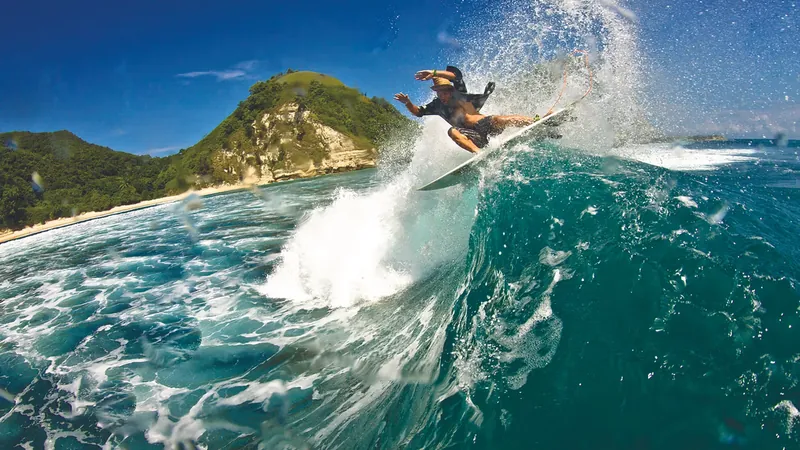
For surf. April to October, with the peak from June to September. Offshore winds and consistent Indian Ocean swell line up along the west and south coasts during these months. This is when the breaks near Watu Kaka and the wider west coast are at their best.
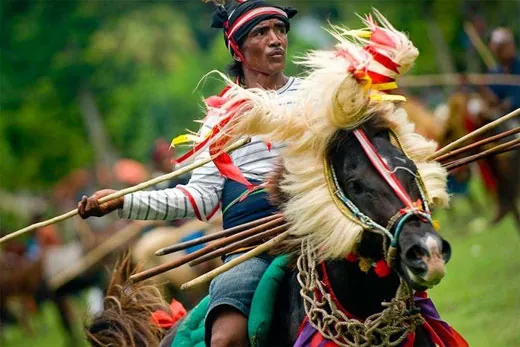
For Pasola and festivals. February and March. Pasola, the spectacular ritual horseback contest, happens only in the green season and only in specific villages. Exact dates follow the local lunar calendar and the arrival of the nyale sea worms, so they shift each year and are confirmed only weeks ahead. Our Pasola Festival guide covers the villages, the timing, and how to attend respectfully.
For beaches and sun. April to November. Warm sea and dependable sun across these months, with the driest skies and calmest seas from May to September.
For green landscapes and waterfalls. December to April. The hills are at their most lush, the waterfalls are full, and there are far fewer visitors. The trade is daily afternoon rain and some rougher inland roads.
For quiet and value. The shoulder months, April to May and October to November. The weather is still largely on your side, the island is calmer, and rates are gentler than in the July and August peak.
When to visit West Sumba
Most "best time to visit Sumba" advice treats the island as one place. It is not. The east, around Waingapu, is drier and more arid. The west, where Kabisu sits near Gaura and Watu Kaka Beach, is greener, closer to the best surf, and home to many of the most active traditional villages.
For West Sumba, the dry-season window holds, May to October, but two things are worth planning around. First, the west coast surf peaks June to September, so committed surfers should aim there. Second, several of the most important Pasola villages are in the west, which makes a February or March trip especially rewarding if culture is your draw. Spending your time in the west also keeps you close to the coast, the lagoons, and the beaches that draw most travelers to Sumba in the first place.
What to pack, by season
Whatever month you choose, pack light, breathable clothing, strong sun protection, and a hat. The tropical sun is intense year round and the UV index runs high.
For the dry season, add a light layer for cooler evenings and plenty of reef-safe sunscreen. For the wet season, bring a packable rain jacket and quick-dry clothing for the afternoon showers. If you plan to visit traditional villages in any season, bring modest clothing that covers shoulders and knees as a sign of respect.
When to book and how to get there
Sumba is still a quiet destination, but the dry-season peak of July and August fills the best stays and flights well ahead. If you are traveling in those months, book early. Shoulder and green-season trips can be planned with much more flexibility.
Getting to Sumba takes a short flight from Bali or a connection through Lombok, with options by sea for the unhurried. We cover every route, timing, and tip in our full guide on how to get to Sumba.