Discover Sumba: Indonesia's Untouched Paradise

Indonesia's last hidden paradise · 11,053 km² · 780k people

An island of raw landscapes, ancient traditions, and untouched coastline. Fifty-five minutes by air from Bali, a world apart.

Size
11,053km²
Almost twice the size of Bali
Population
780k
Compared to Bali's 4.3 million
Annual Tourists
50k
Compared to Bali's 6.3 million
From Bali
1h
Daily flights to Tambolaka

Sumba Island, located in the eastern part of Indonesia's Lesser Sunda Islands, is a destination where time slows down and nature remains unspoiled. Known for rolling green hills, pristine white-sand beaches, turquoise waters, and rugged coastlines, Sumba offers a rare blend of natural beauty and cultural depth.

Unlike the bustling tourist hubs of Bali or Lombok, Sumba remains a serene, authentic escape, perfect for travelers seeking tranquility, adventure, and connection with a unique island way of life.

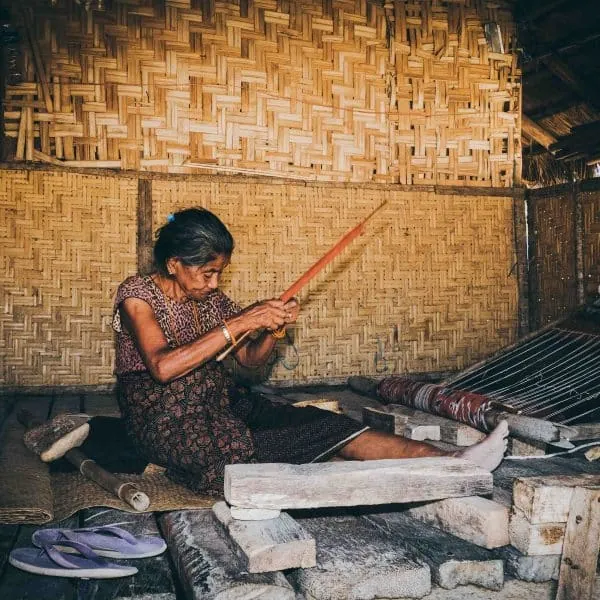
Sumba's charm lies in its people and traditions. From intricate ikat weaving techniques passed down through generations to the famous Pasola Festival Sumba, where horseback warriors reenact ancient rituals, the island's cultural identity is as captivating as its scenery. Villages with traditional peaked-roof houses dot the countryside, surrounded by rice fields and palm groves, offering visitors a glimpse into a lifestyle that has remained largely unchanged for centuries.

How to Get to Sumba

Reaching Sumba is easier than you might think. Daily flights connect Bali, Jakarta, and Kupang to Waingapu and Tambolaka airports. For those who prefer a slower pace, ferries are available from nearby islands. Transportation within Sumba includes car rentals, motorbike hire, and local drivers who can guide you through the island's hidden gems.

Read more: How to Get to Sumba: Flights, Ferries & Local Travel Tips

Top Things to Do in Sumba

From untouched beaches to sacred traditions, Sumba offers something for every type of traveler:

Read more: 10 Unmissable Experiences in Sumba for 2025: Nature, Culture & Adventure

Surfing in Sumba

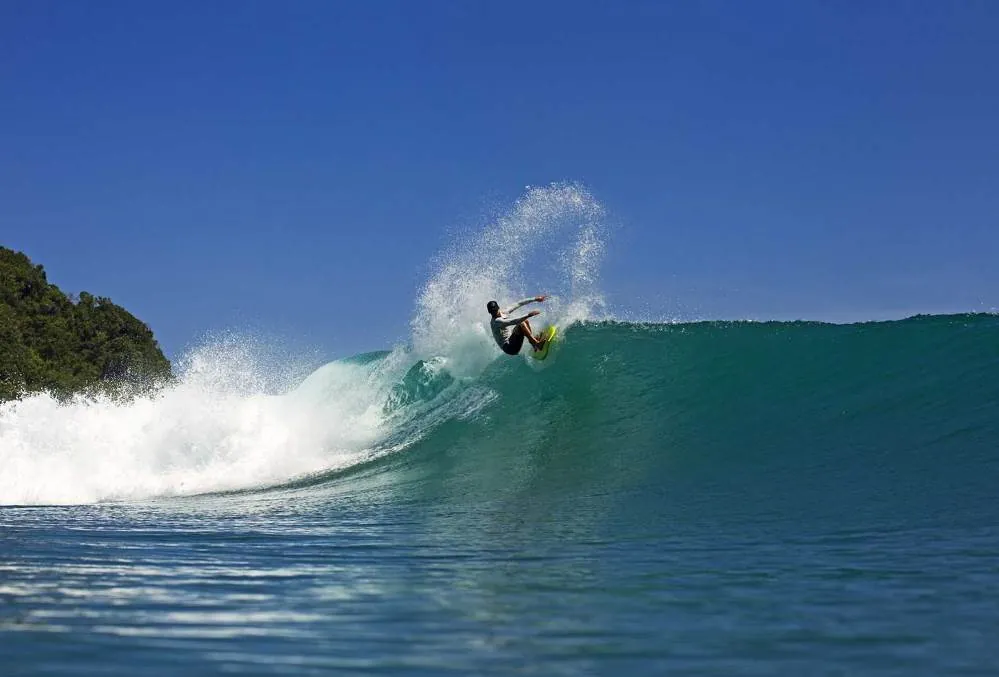
Sumba is home to some of Indonesia's most consistent and uncrowded waves. From world-famous Nihiwatu to lesser-known reef breaks, the island offers challenges for experienced surfers and mellow spots for beginners. The surf season typically runs from April to October, with offshore winds and perfect swell conditions.

Read more: Riding the Untamed Waves: The Ultimate Surfing Guide to Sumba

Sumba Culture & Traditions

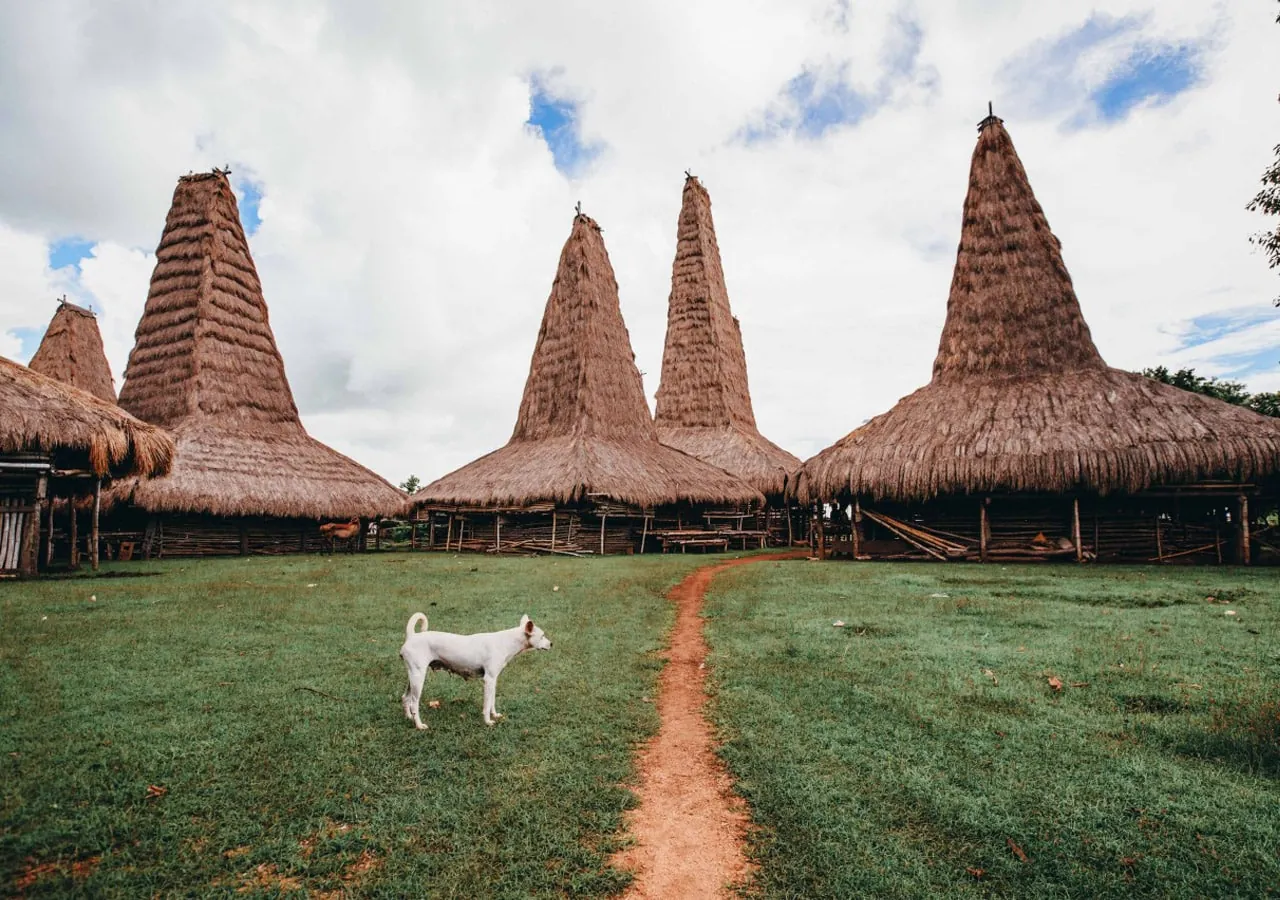
Sumba's culture is deeply rooted in the Marapu belief system, a blend of ancestor worship and animism. Ceremonies, dances, and rituals mark the agricultural calendar and life milestones. The island's traditional villages, with their high-pitched thatched roofs, are living museums of Sumbanese heritage.

Pasola Festival: Sumba's Most Famous Celebration

One of the island's most famous cultural events is the Pasola Festival, held annually to mark the rice planting season. A thrilling display of horsemanship, tradition, and community spirit.

Read more:

Investment & Future Outlook

Sumba is not only a travel gem but also an emerging investment hotspot. Infrastructure projects are improving roads, airports, and utilities, while sustainable development initiatives are attracting eco-conscious investors. Opportunities range from boutique resorts to private villas designed with eco-friendly principles.

Read more:

Travel Tips & Practical Info

Your Sumba Journey Continues

At Kabisu, we believe Sumba's magic deserves to be experienced and celebrated. Whether you're here to surf, immerse yourself in culture, or explore Sumba investment opportunities in sustainable living, there's always more to uncover.

Head over to our Kabisu Blog, your ultimate Sumba travel guide, to explore in-depth stories, travel tips, and insights about Sumba. Your journey starts here.

— At a Glance

Fifty-five minutes
from Denpasar.

How to reach Sumba

Fly Denpasar (DPS) → Tambolaka (TMC) in 55 minutes. Four daily departures on Wings Air and Citilink. Kabisu is a 90-minute drive from Tambolaka on the south coast road.

Flight duration
55 min
Flights from Bali
4 per day
Airport → Kabisu
90 min drive
Transfer
Arranged by resort

When to visit

Dry season, April to October, is the best window for weather, surf, and beach. February and March are off-peak but coincide with the Pasola Festival. Worth the humidity for anyone interested in Marapu culture.

Dry season
Apr–Oct
Surf season
May–Sep
Pasola Festival
Feb–Mar
Currency
IDR · cards widely accepted
Elderly woman weaving traditional Sumbanese Tenun Ikat fabric on a handloom

A Rich & Authentic Culture

Sumba's rich culture comes alive through its ancient traditions, vibrant festivals, and handwoven Ikat textiles, offering a glimpse into Indonesia's untouched heritage.

Surfer riding perfect turquoise wave at Occy's Left surf break in Sumba, Indonesia

Worldclass Surf

Sumba is a surfer's paradise, offering world-class waves, uncrowded breaks, and pristine turquoise waters, making it a dream destination for adventure seekers.

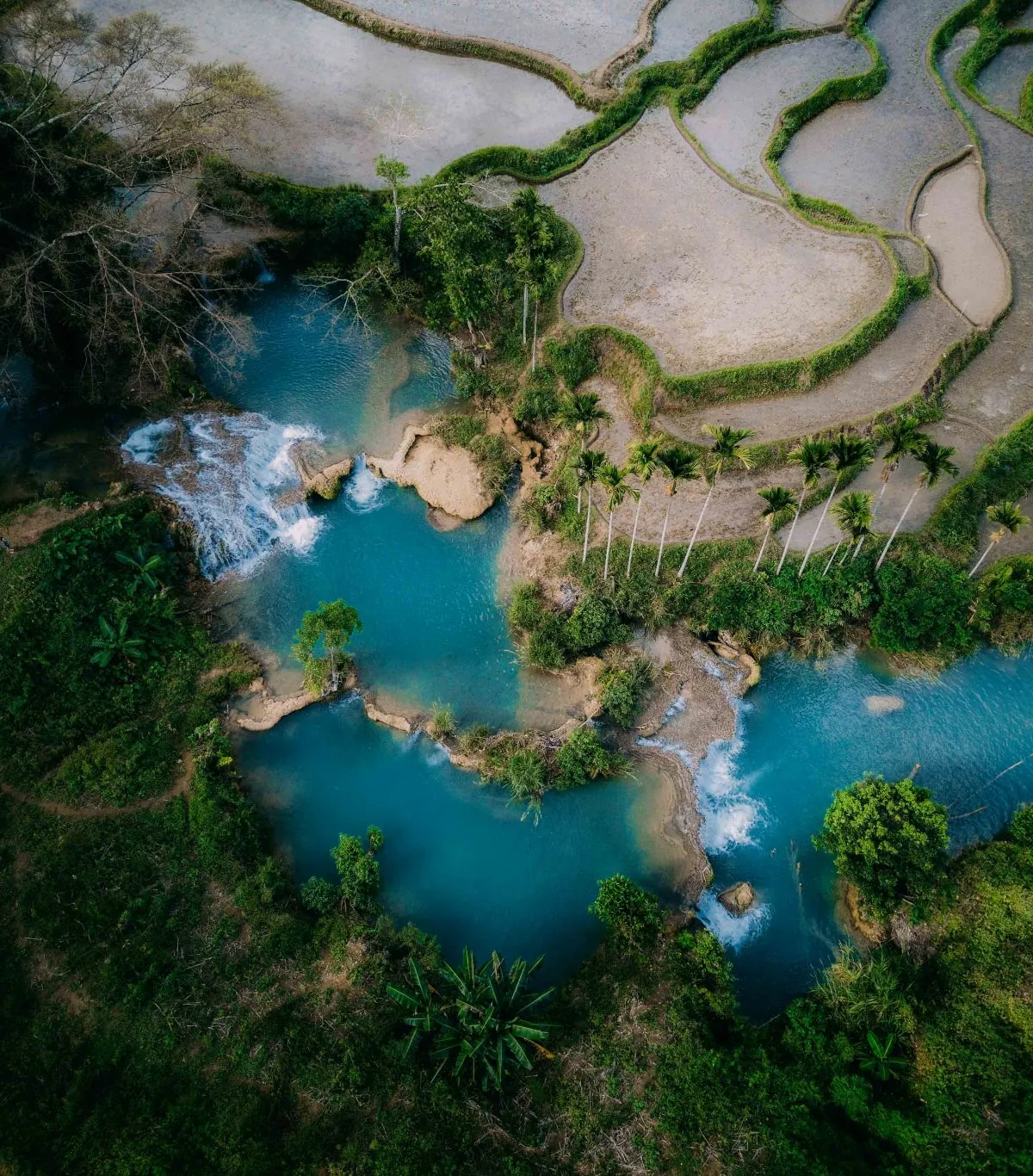
Aerial view of blue lagoon and cascading waterfall surrounded by rice paddies in Sumba

Breathtaking Landscapes

Sumba's landscapes are a stunning mix of dramatic cliffs, rolling hills, hidden waterfalls, and untouched beaches, creating a paradise of raw natural beauty.

Traditional peaked-roof Sumbanese houses in a rural village setting

The Next Top Destination

With its untouched beauty, rising luxury tourism, and growing investment potential, Sumba is quickly becoming Indonesia's most sought-after hidden gem.

— Invest

Own your rental property in paradise.

Ten oceanfront villas. One remaining at founding-tier pricing.

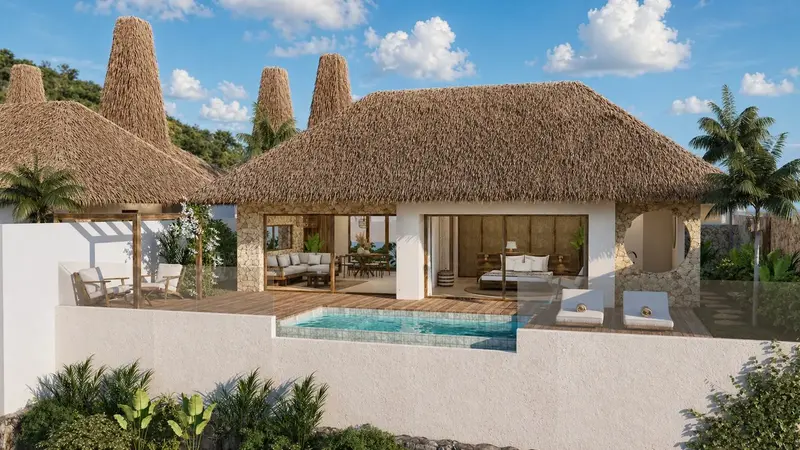
Kabisu villa, oceanfront