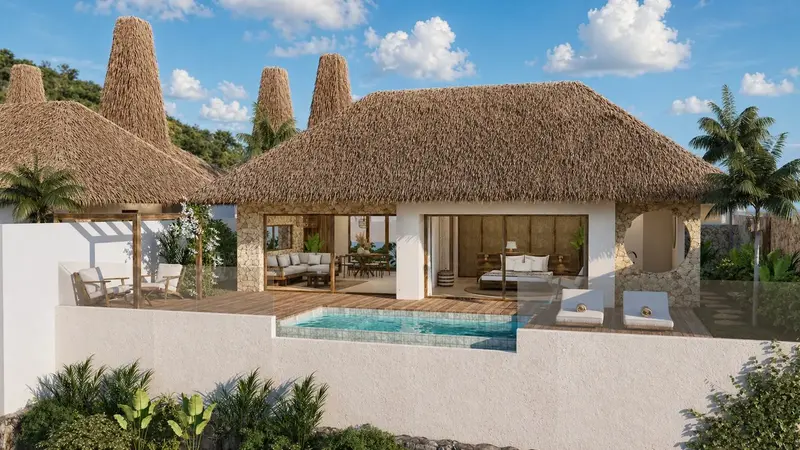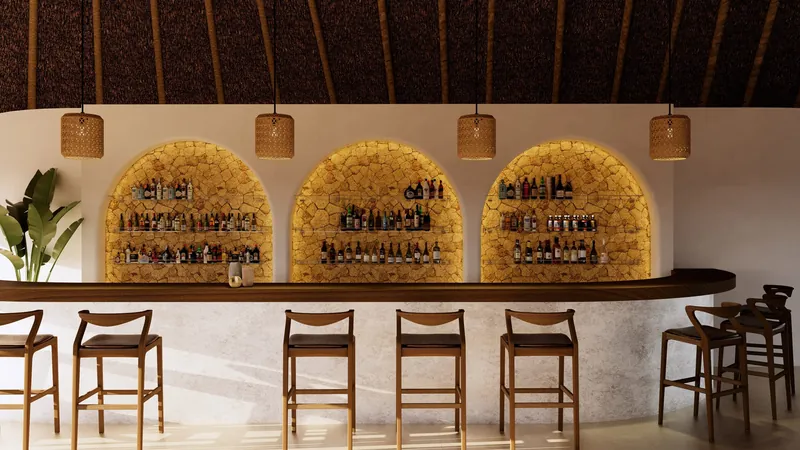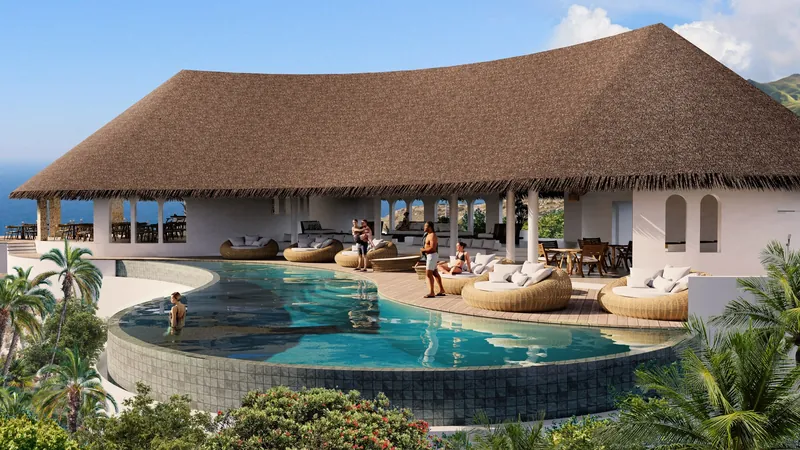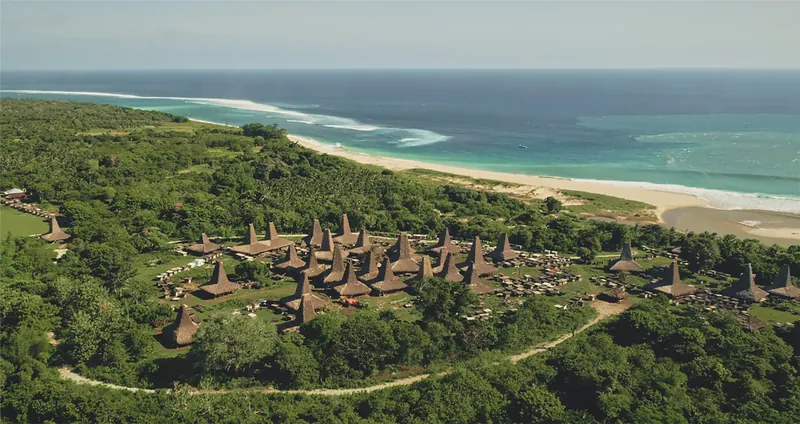
Bali is the global icon; Sumba is the insider's play. One thrives on volume and familiarity, the other on scarcity and a luxury-first identity. Over the next decade, the question is less about beaches and more about brand positioning, guest experience quality, and long-term demand.
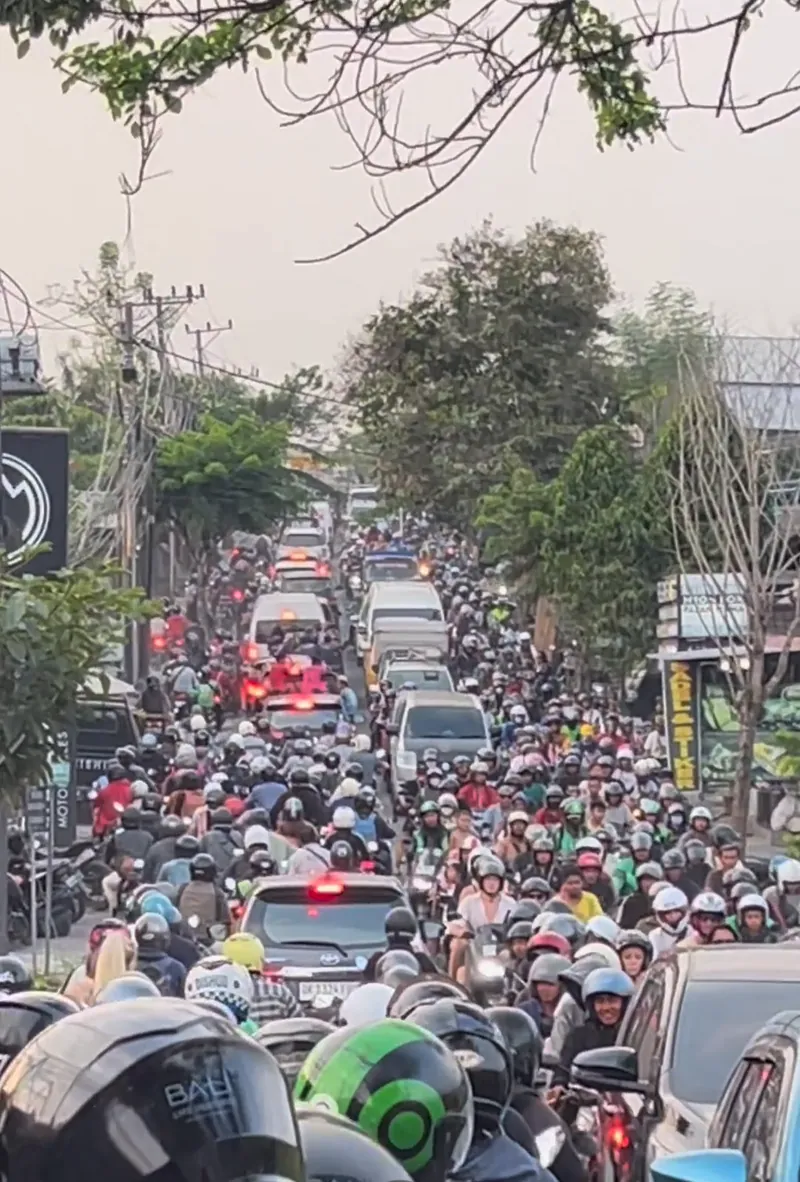
Bali's visitor counts have roared back from the pandemic, but with them came headlines about crowding, traffic gridlock, monsoon waste on the beaches, and a tourism tax introduced to slow the pace of growth. Sumba, by contrast, has quietly become a byword for barefoot luxury — fewer than fifty thousand foreign arrivals a year, a single world-class resort (NIHI), and a second wave of boutique properties arriving now.
If you're weighing where capital will work harder in real estate and hospitality, it's worth sitting with the two islands side by side.
Bali: the established giant
Bali is the mature end of the Indonesian tourism market. It has the airlift, the F&B ecosystem, the operators, the supply chains. It runs year-round. Demand is deep across every price band, and that depth is exactly what powers its occupancy rates.
It also has problems. Traffic in Canggu, Seminyak, and Ubud has become chronic enough that the provincial government is studying rail. Beach cleanup efforts run every monsoon season and still make the international press. Water stress and over-development are widely reported, and the premium-guest reputation is slowly catching up with the infrastructure.
Context: Bali welcomed roughly 6.33 million international visitors in 2024 and is targeting higher — but with that comes pressure on every system the guest experience depends on.

Sumba: the rising luxury star
Sumba's brand identity has formed around a single anchor: NIHI Sumba was voted #1 hotel in the world by Travel + Leisure in both 2016 and 2017. That halo has lifted average daily rates across the island and attracted a specific kind of guest — design-literate, nature-curious, willing to fly an extra hour from Bali.
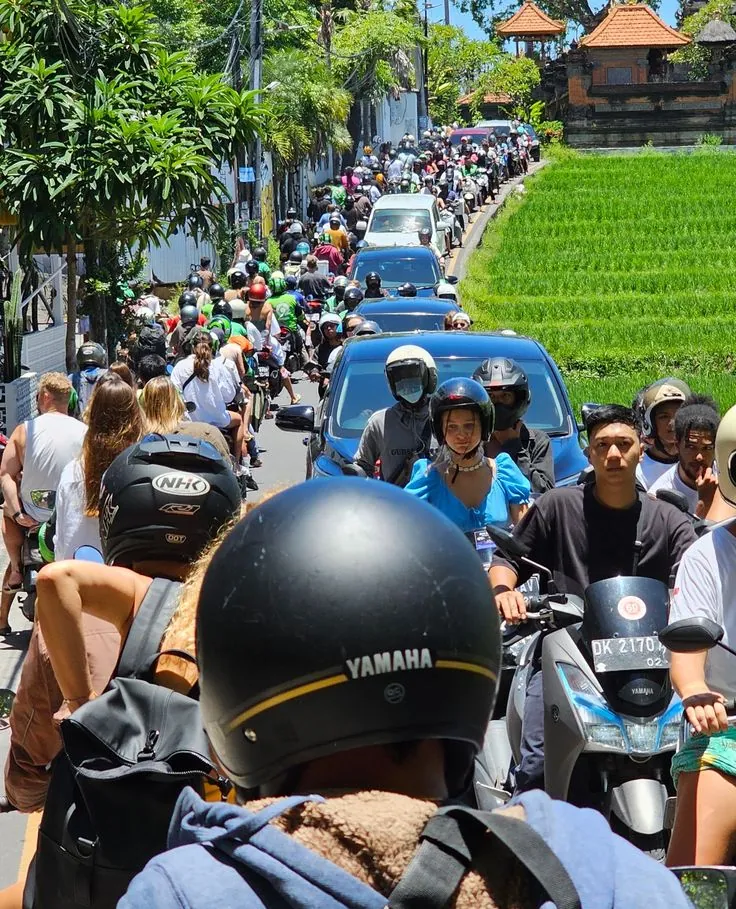
What Sumba has that Bali doesn't: low visitor density, a still-intact landscape, a culture that hasn't been refashioned for tourism, and 50-minute flights from Denpasar that make the "fly and flop" logistics work for premium travellers planning ahead. What Sumba doesn't have that Bali does: much infrastructure, nightlife, shopping, or the compounding ecosystem effects of two decades of development. For the right kind of visitor, the absence is the appeal.
- Mass-market gravity, deep across price bands
- Very high inventory & competition
- Major flight volumes, easy access
- Traffic & waste pressure growing
- Infrastructure upgrades underway
- Luxury-forward, anchored by NIHI
- Limited high-end supply → natural scarcity
- 55 min from Bali, ~20 flights a week
- Low-density, preserved environment
- Community-aligned growth narrative
The key differences that matter for investors
1. Demand shape & brand
Bali: mass-market, high volume. Sumba: luxury-forward, niche volume. For premium positioning, Sumba is structurally easier — there is less supply to differentiate against and a clearer brand story to attach your property to.
2. Competition density
Bali has very high hotel and villa inventory, with crowding in key corridors. A new villa in Canggu or Uluwatu competes with thousands. In Sumba, there are fewer than fifty properties aimed at the premium segment. Scarcity supports rates.
3. Access & connectivity
Bali wins on flight volume and frequency. But Sumba's 55-minute hop from Denpasar has enough capacity for high-intent travellers who plan in advance. This matters less for walk-in tourism and more for the booked-a-month-ahead guest that a premium villa actually wants.
4. Experience quality & risk
Bali's traffic gridlock and waste headlines are real risks to the guest journey — and therefore to reviews, occupancy, and rates. Sumba's low density preserves the "paradise" feel that premium guests pay for. The two islands price the same square metre of beach very differently because the experience built on top of that beach is different.
5. Sustainability trajectory
Bali is now playing catch-up: tourist taxes, cleanups, rail planning. Sumba's growth is still in the early phase where nature-aligned development is possible without retrofitting. Editorials — Vogue, Condé Nast Traveler, Travel + Leisure — consistently frame Sumba as "untouched," and that positioning is becoming its own moat.
So — which one wins?
If your thesis is volume — dependable occupancy at mid-range price points, large addressable market, existing infrastructure — Bali. You won't be wrong. You'll also be competing with every third European who moved here after Covid.
If your thesis is premium yield via scarcity, brand, and guest experience quality — Sumba. You're earlier in the curve, you have the luxury anchor established, and the next decade is still writing itself.
Interested in visiting Sumba before investing? See our complete travel guide — Bali to Sumba is a 50-minute flight, and the resort handles the transfer.