Sumba Real Estate 2025: Land, Villas & Eco-Resort Investment Guide

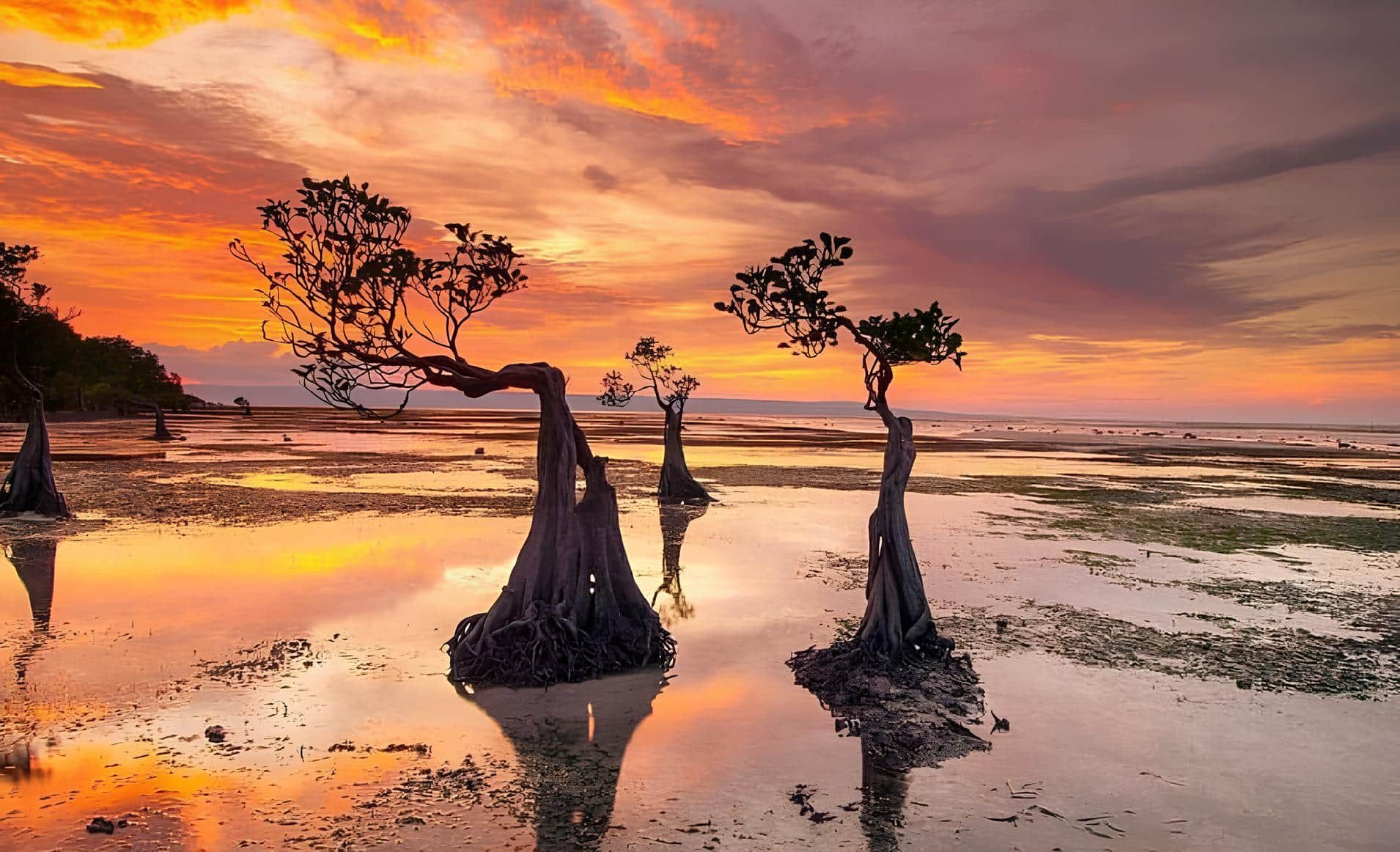
Wide view of Walakiri Beach mangrove trees at low tide during a colourful sunset on Sumba Island

Sumba Real Estate 2025: Land, Villas & Eco-Resort Investment Guide

If you’re typing “Sumba real estate” or “real estate Sumba” into Google, you’re probably asking yourself a simple question:

Is Sumba a serious place to invest in property, or just a beautiful idea?

This guide is written to help you answer that question with realistic, investor-grade information, not hype.

We’ll walk through:

  • How the Sumba real estate market actually looks in 2025
  • The main property types: raw land, standalone villas, managed resort/villa projects
  • The legal and ownership routes for foreigners (and their real pros/cons)
  • The most relevant locations and what kind of buyer they suit
  • Who Sumba is and isn’t a good fit for
  • Where a small, managed resort like Kabisu sits in this landscape

Where useful, we’ll point you toward deeper articles on our blog (e.g. legal details, island comparisons) so we don’t duplicate content you may already have read.

1. The Sumba Real Estate Market in 2025: Early, Real, and Moving Fast

From “next Bali” cliché to a real investment story

Over roughly the last decade, Sumba has moved from being “that wild island with horses and Pasola” to a recognised investment destination.

A few key facts:

  • Specialist brokers and developers report significant land price growth in the most strategic parts of Sumba,
    in some cases multiples of original prices since the early 2010s, while still well below equivalent Bali
    beachfront.
  • Tourism is growing from a low base: more boutique resorts, surf lodges and eco-projects in West and South
    Sumba, underpinned by upgraded airports and better road access.
  • Policy and private capital are broadly aligned around
    low-density, higher-value tourism rather than mass, high-rise development.

For property buyers, this means Sumba now sits in an interesting place:

  • Less speculative and more visible than even five years ago
  • But still much earlier-stage and lower-density than Bali or even Lombok

In other words, the market is real, but it hasn’t yet been flooded by large-scale, cookie-cutter development.

2. What People Actually Mean by “Sumba Real Estate”

If you scan today’s first-page Google results and brokerage sites, “Sumba real estate” usually means one of
three things:

  1. Raw land: often big plots of cliff, beachfront or hillside land marketed by specialist agencies and investment groups, sometimes with dramatic growth charts.
  2. Individual villas: a handful listed on bigger Indonesia property portals, often near existing resorts or surf spots.
  3. Resort / villa projects: eco-resorts or boutique developments selling units with projected yields and capital appreciation.

So when someone says “I want to invest in Sumba real estate”, they might be thinking of:

  • Buying land and holding or developing it
  • Buying a standalone villa to use and rent
  • Buying into a managed resort-style project with professional operations

Each route involves completely different risk, workload and return profiles. That’s what we’ll unpack next.

For broader macro context (tourism, roads, airports, timelines), you can refer to a detailed “Sumba Investment
Outlook 2030” style article if you want to go deeper on the big picture.

3. Types of Sumba Real Estate: Land, Villas & Managed Resorts

3.1 Raw land: high upside, high responsibility

Who it’s for:
Investors comfortable with frontier markets, long time horizons and heavy due diligence.

Common plays:

  • Beachfront / cliff land in West and Southwest Sumba, near known surf breaks or existing resorts
  • Larger inland parcels suited for eco-retreats, regenerative agriculture or future hospitality
  • Early tourism corridors along newly improved coastal or connecting roads


Pros

  • Lowest entry price per square metre compared to finished villas
  • Greatest potential capital gains if you pick the right location and hold through
    infrastructure and tourism growth
  • Flexibility: you can partner with a developer later, or exit once the area is better known


Cons

  • You carry the whole burden of due diligence:
    • Land certificates, overlaps, adat/customary rights
    • Road access, utilities, zoning / spatial planning
  • You need a clean structure as a foreigner (typically via PT PMA or a well-drafted lease),
    plus reliable local legal support
  • Land can sit idle for years before the surroundings mature enough to sell or build

Raw land is a development or long-hold play, not a quick “buy and flip” instrument.

3.2 Standalone villas: lifestyle plus work

Who it’s for:
People who want a tangible holiday home and are ready to handle (or pay for) operations.

You’ll find standalone villas:

  • On private plots near known bays, surf spots or viewpoints
  • In small clusters near existing resorts
  • Sometimes as one-off builds by early adopters


Pros

  • You own a finished asset you can use, furnish and personalise
  • Easier to visualise and finance than raw land
  • In the right micro-location, nightly rates can be strong as Sumba’s brand grows


Cons

You’re effectively running a tiny hotel:

  • Operations: staff, maintenance, security, utilities, owner stays
  • Distribution: marketing, OTAs, direct bookings, brand
  • Consistency: keeping standards high in a remote location

If you live abroad, you depend heavily on local managers. Without a solid relationship and systems, returns and guest experience can suffer.

Standalone villas suit investors who either plan to be physically present quite often, or who enjoy building and managing their own micro-brand.

3.3 Managed resort & villa projects: exposure without becoming a hotelier

The third option is entering Sumba real estate through a professionally managed resort or villa collection.

This can look like:

  • A boutique resort where you own one or several units
  • A villa estate fully managed by an operator
  • Hybrid models with rental pools and shared facilities (restaurant, bar, pools, wellness, etc.)


Pros

  • Hands-off operations: staffing, training, maintenance, guest experience managed by a dedicated team
  • Brand & distribution: you benefit from the resort’s marketing, partnerships and repeat guests
  • Shared risk via rental pool: your income is tied to the performance of the whole resort, not just your individual booking hustle
  • Often designed from day one with sustainability and community integration built-in


Cons

  • You buy into a system: design and operations are not 100% customisable
  • You must be comfortable with how fees, transparency and reporting are structured between owners and the operator
  • Returns depend heavily on the competence and alignment of the team running the property

For many long-distance investors, this is the most realistic way to get Sumba exposure without trying to run a mini-hotel from abroad.

Kabisu sits in this category, more on that shortly.

6. Is Sumba Real Estate a Good Fit for You?

Sumba is not the right island for everyone. That’s part of its appeal.

6.1 Sumba might be right for you if…

  • You think in years and decades, not quarters. A 5–7+ year horizon feels normal, not scary.
  • You care about scarcity and low density more than shopping and nightlife.
  • You want your capital to help shape sustainable, small-scale development, not add to overbuilding.
  • You’re okay with some operational complexity in return for getting in early.

6.2 Sumba might not be right for you if…

  • You want high liquidity and quick exit options like a listed REIT.
  • Your profile fits best with a mature market and thick transaction volumes.
  • You’re looking for “plug-and-play” ownership where the legal and infrastructure frameworks are identical to Bali.

If you’re still comparing islands, you can deepen your thinking with detailed “Sumba vs Bali” and “Sumba vs Lombok” type comparisons.

7. How Kabisu Fits into the Sumba Real Estate Landscape

Most “Sumba real estate” pages you’ll find online are run by generalist brokers or land aggregators. Kabisu is intentionally different.

7.1 A small, focused resort: not a scattered portfolio

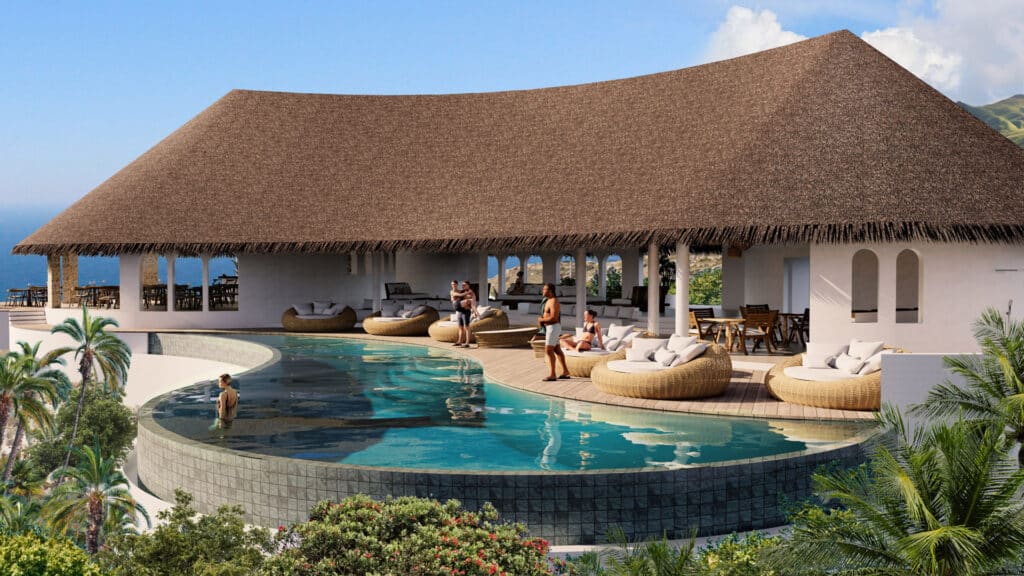
Kabisu is a limited villa collection in West Sumba built as a cohesive resort:

  • A small number of cliff front and ocean-view villas within one masterplan
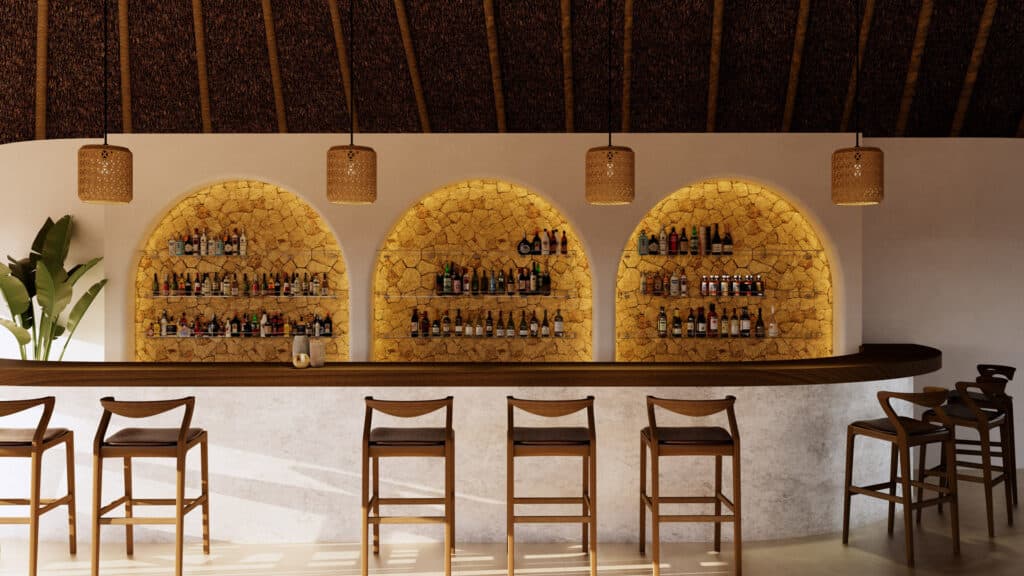
  • Shared facilities: restaurant, bar, pools, concierge, experiences
  • A long-term operating team with experience building and running projects in remote Indonesian locations

Instead of trying to list dozens of unrelated properties, Kabisu offers:

  • 10 villas only, all part of the same design language and operating model
  • Fully managed units plugged into a shared rental pool, so income is based on the performance
    of the whole resort rather than just your own booking hustle

7.2 PT PMA structure without each investor needing 10+ billion IDR

Behind the scenes, Kabisu uses a proper PT PMA structure at the project level:

  • The company, not an informal nominee, holds the relevant land and operating licences
  • The project meets the minimum capital and investment thresholds expected of serious foreign investment
  • Individual investors don’t each need to set up their own PT PMA and inject IDR 10+ billion; they participate through a structure that already complies at that scale

From an investor’s perspective, that means:

  • You get exposure to Sumba real estate and its long-term upside
  • Your returns are linked to a professionally run hospitality business
  • The legal and operating framework is cleaner and more robust than ad-hoc leasehold or nominee solutions

If you want to understand the operating philosophy in more detail, you can look for content that explains Kabisu’s approach beyond renders and spreadsheets, and how its villa shared pool model is structured.

For detailed pricing, ownership options and projected returns, visit our investment page.

8. Practical Next Steps if You’re Exploring Sumba Real Estate

If you’re still at the research stage, a simple approach is:

  1. Clarify your role
    Do you want to be a developer (land + projects)? A hands-on villa owner? Or a passive investor in a managed resort?
  2. Read deeper by theme
    Look for:
    • Macro trends & timing – long-term Sumba investment outlooks.
    • Legal routes & structures – detailed guides to investing in Sumba.
    • Island comparisons – Sumba vs Bali, Sumba vs Lombok, etc.
    • Ownership and revenue models – explanations of rental pools, shared ownership, and management structures.
  3. Visit the island
    No article can replace walking the land, meeting people and experiencing the distance from mass-market tourism.
  4. Speak with projects or advisors that match your profile
    Use the first conversation to talk honestly about:
    • Time horizon
    • Risk tolerance
    • Desired involvement (hands-on vs hands-off)
    • What “success” looks like for you in 10 years’ time

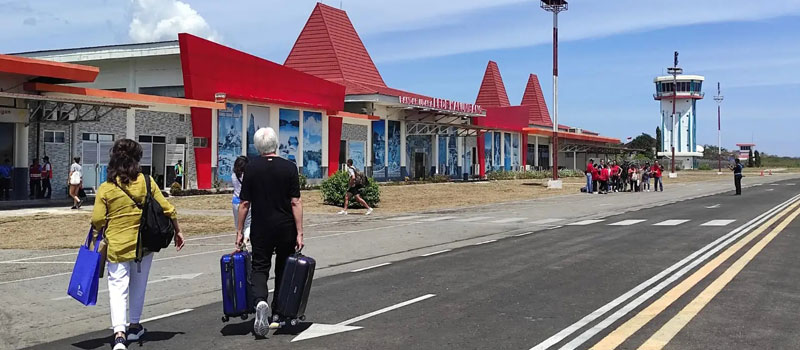
Planning a site visit? See how to get to Sumba : daily flights from Bali, Jakarta, and more.

9. Sumba Real Estate: Quick FAQ

Can foreigners buy real estate in Sumba?

Yes, but not by simply putting a freehold land title in a foreigner’s personal name.

In practice, foreigners use:

  • Long-term leaseholds, properly drafted and registered (good for defined-horizon, cash-flow-focused plays)
  • PT PMA structures for larger, business-scale investments, where the company can hold buildable land rights and licences (typically with a minimum investment plan above IDR 10 billion
  • Participation in structured resort/villa projects that already sit inside a compliant PT PMA

Informal nominee arrangements exist but carry significant legal and practical risk and are increasingly
discouraged.

How much does land cost in Sumba?

Prices vary enormously by:

  • Region (West vs East)
  • Distance to airport and main roads
  • Proximity to existing resorts or attractions
  • Views (cliff, absolute beachfront, near-beach, inland)

Current public listings show, for example:

  • Cliff / beachfront plots in West Sumba marketed around IDR 24 million per are (100 m²) in some cases, and higher in prime micro-locations.
  • More remote or inland parcels at lower prices, but with higher infrastructure risk.

Treat online asking prices as indications, not final truths, serious decisions require local valuation and negotiation.

Do leasehold villas in Sumba appreciate in value?

Leasehold rights are time-bound, so their value naturally tends to decline as the expiry date approaches.

In a fast-rising market, early leasehold prices can go up for a while, especially if the property is in a very strong micro-location and demand outpaces supply. But structurally:

  • You don’t own land equity
  • You’re “using up” the lease duration each year
  • Any capital appreciation is constrained compared to freehold/HGB held via a PT PMA

We see leasehold primarily as a cash-flow and usage instrument, not a pure capital-growth play.

Is Sumba more a lifestyle or financial investment?

It can be both, but Sumba rewards investors who treat it as a long-term, values-aligned financial decision:

  • A way to align your capital with low-density, nature-driven development
  • An asset you can actually stay in and experience
  • A potential source of attractive returns if you choose the right structure and partner

If you’re chasing the highest short-term yield with maximum liquidity, there are easier markets.
If you care about what you’re building and where, Sumba deserves a serious look.

Discover More About Sumba

Alternative to Bali Real Estate: Exploring Indonesia’s Emerging Markets

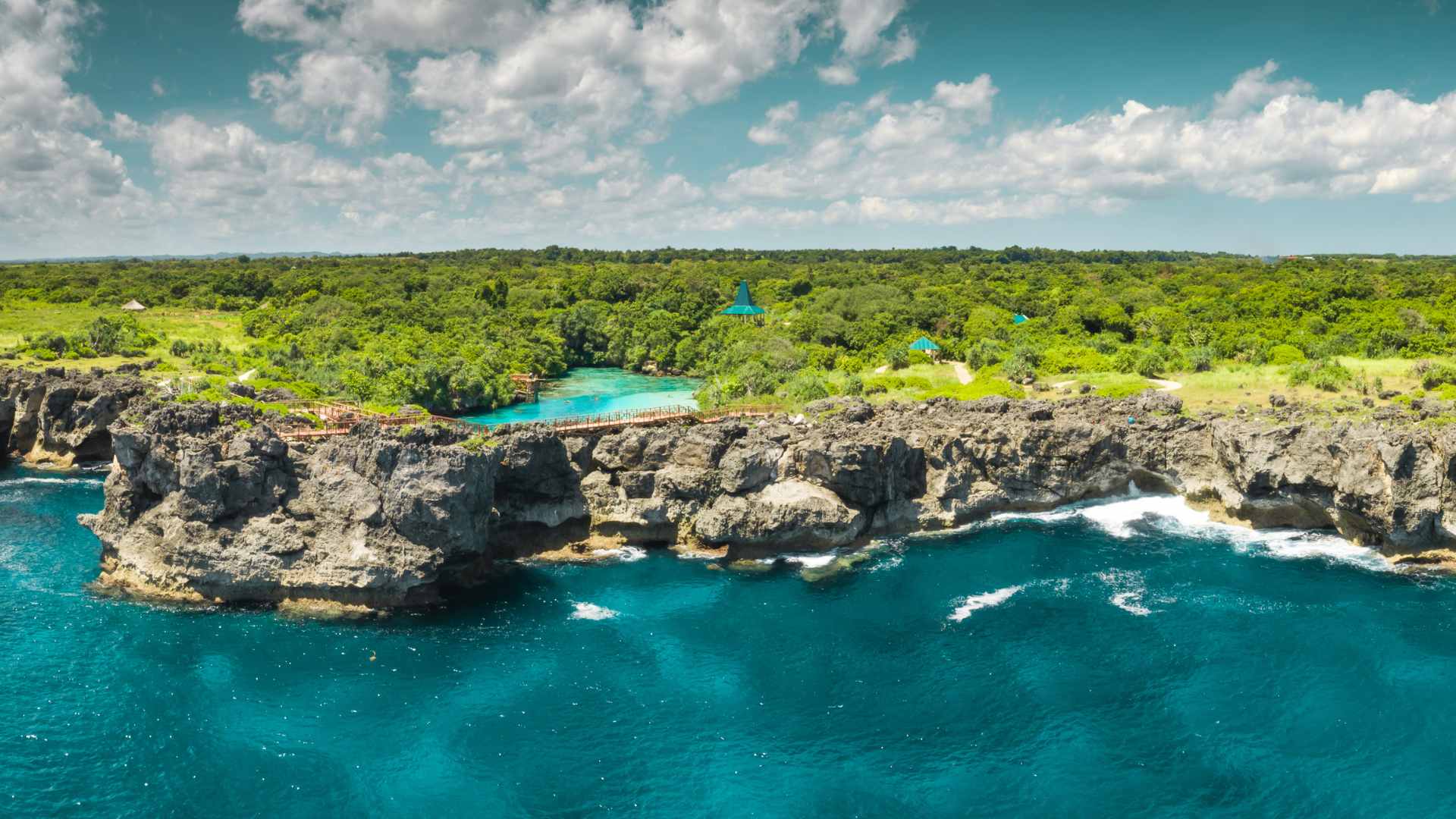
Secluded turquoise cove with cliffs and tropical forest in Sumba, Indonesia.

Alternative to Bali Real Estate: Exploring Indonesia’s Emerging Markets

Beyond Bali: A New Real Estate Story in Indonesia

For many international investors, Bali was the gateway into Indonesia: a place where tourism, lifestyle and real estate all came together in one familiar name.

But over the last decade, Bali has changed. Prices have climbed, competition has intensified, and it’s harder to find that feeling of “getting in early”. As a result, more and more people are quietly asking the same question:

“If not Bali, where should I look next in Indonesia?”

This article is for those investors, people who still believe in Indonesia’s long-term story, but are now actively looking for an alternative to Bali real estate: somewhere with more scarcity, more space, and a different development philosophy.

Why Some Investors Are Looking Beyond Bali

Let’s be clear: Bali is not “over”. It remains a powerful global brand with deep tourism demand. But from an investment point of view, several trends are pushing thoughtful investors to look beyond it:

  • Crowding and competition
    In key areas, it’s harder to stand out. There are simply more villas, more operators, and more similar offerings fighting for the same guests.
  • Yield compression
    As land and build costs have risen, yields on new projects often don’t look like the “Bali 10–15 years ago” story that people have in mind.
  • Lifestyle vs. portfolio balance
    Some buyers already own a place in Bali and are now thinking about diversification: “I don’t need a second villa in Canggu. I’d rather a very different exposure somewhere else.”
  • Desire for authenticity and space
    A growing segment of travellers and investors want quieter, more nature-focused destinations that feel less like mass tourism and more like a genuine place.

From this perspective, looking for a Bali real estate alternative is not an anti-Bali move. It’s a portfolio decision: a way to stay in Indonesia’s growth story while positioning yourself differently.

What Makes a Good “Alternative to Bali” Real Estate Market?

If you’re asking “Where should I invest instead of Bali?”, it helps to define what you’re actually looking for.

1. Long-term tourism story

You don’t just want a cheap piece of land; you want a place where tourism is growing in a healthy, sustainable way: nature, culture, experiences, not just mass arrivals.

2. Scarcity and controlled development

One reason early Bali investments performed so well is that key areas were limited and demand grew faster than supply. A true alternative should have:

  • Natural or intentional limits on density
  • Barriers to “copy-paste” overdevelopment


3. Realistic access

You don’t need an international airport next door, but you do want:

  • A clear travel path (for example via Bali, Lombok or Jakarta)
  • Reasonable travel times for your target guests


4. Entry price vs. maturity

A destination that’s too early may stay illiquid for a long time. One that’s too mature may already be priced like South Bali. A good alternative usually sits in the early-but-visible phase: people are talking about it, but it’s still far from saturated.

5. A clear narrative

“Next Bali” is a lazy label. The most interesting markets don’t try to be Bali 2.0; they build their own story:

  • Eco-luxury
  • Cultural immersion
  • Surf and nature
  • High-end, low-density retreats

This is where places like Lombok, Flores and Sumba come in.

Three Different Paths Beyond Bali: Lombok, Flores and Sumba

There is no single “right” alternative to Bali. Each island tells a different story.

Lombok: The natural extension

Lombok is often described as “Bali’s little brother”:

  • More infrastructure, including an international airport.
  • Significant resort, villa and land development, especially in the south.
  • A clear focus on beaches, surf, and relatively more space than Bali.

For some investors, Lombok is a comfortable next step: familiar enough, but with more room to grow. For others, it already feels like the next crowded hotspot in the making.

Flores / Labuan Bajo: Gateway to Komodo

Flores, and especially Labuan Bajo, has grown rapidly as the base for Komodo boat trips and diving:

  • Strong tourism appeal around marine experiences.
  • A mix of mid-range and upmarket hospitality.
  • Real estate that is increasingly tied to high-end tourism and hospitality investments.

It’s an attractive option if you believe in the long-term value of marine-focused tourism and gateway towns.

Sumba: A different rhythm

Then there is Sumba.
Instead of racing toward mass tourism, Sumba’s growth has been slower and more selective:

  • A strong identity built on wild landscapes, traditional Marapu culture and horses on empty beaches.
  • A handful of high-end, low-density resorts and villas, not large-scale condo blocks.
  • A development path that leans more toward scarcity and preservation than volume.

For investors seeking an alternative to Bali real estate that feels genuinely different, quieter, more spacious, more long-term focused, Sumba stands out.

Sumba: A Different Real Estate Story

Real estate in Sumba today doesn’t look like Bali, and that’s precisely the point.

  • There are far fewer projects, and very little “copy-paste” villa sprawl.
  • Land is still available in breathtaking locations, but the number of serious, professionally structured developments is small.
  • The island’s future seems more aligned with boutique resorts, eco-villas and curated experiences than with hundreds of similar listings on holiday rental sites.

From an investor’s perspective, that means:

  • You’re not just competing on nightly rate; you’re competing on story, setting and concept.
  • Your asset is part of a much smaller pool of comparable properties.
  • The bet you’re making is that a limited number of well-designed, well-managed projects will become reference points as Sumba’s reputation grows.

It is not a market for those seeking quick flips. It is, however, compelling for investors comfortable with a longer time horizon, strong alignment with nature and culture, and the idea of holding something scarce.

From Real Estate to Villas: How Kabisu Fits Into the Picture

At Kabisu, we didn’t set out to build a generic development and then market it as “eco”. The starting point was Sumba itself: its cliffs, its ocean views, its villages, its pace.

From there, the project evolved into a boutique resort with a limited number of villas, designed to:

  • Respect the landscape rather than dominate it.
  • Offer a managed, turnkey way to participate in Sumba’s real estate story.
  • Align owners’ interests with the long-term health of the resort and the island.

In practical terms, that means:

  • You’re not just buying a standalone house; you’re buying into a resort ecosystem with common standards, services and positioning.
  • Your villa is professionally managed for rentals, maintenance and guest experience.
  • The structure is designed so that you have exposure to real estate in Sumba without needing to manage every detail yourself.

For investors used to Bali or Lombok, Kabisu offers a different equation:

Less about chasing the highest occupancy in a crowded market. More about being part of a small, carefully curated project in a place where supply will likely remain limited.

Is an Alternative to Bali Real Estate Right for You?

Choosing a destination like Sumba is not just a financial decision; it’s also a personal and strategic one. A few questions can help:

  • Time horizon
    Are you comfortable thinking in 6/7+ years, not 2–3? Frontier markets reward patience.
  • Diversification
    Do you already have exposure to more mature markets (Bali, urban real estate, traditional assets), and now want something different?
  • Risk profile
    Are you at ease with a place that is earlier in its development, with potentially fewer comparables, but also fewer direct competitors?
  • Values and lifestyle
    Does the idea of a quieter island, with strong local culture and nature, resonate with you more than nightlife and density?

If you’re looking for quick, speculative gains, a classic urban or mainstream holiday market might fit better. If you’re drawn to scarcity, authenticity and aligned development, then an island like Sumba and a project like Kabisu might match you surprisingly well.

Risks and Realities: Being Honest About Frontier Markets

Any honest conversation about an alternative to Bali real estate should also address the risks:

  • Liquidity
    Reselling in an emerging destination is different from selling in a saturated market. There are fewer buyers, but also fewer competing properties.
  • Infrastructure and services
    Things improve over time, but infrastructure on a smaller island will never feel like a major city or a hyper-developed resort zone.
  • Regulatory and structural complexity
    Indonesia has its own rules, and it is essential to work through proper legal structures (such as a correctly set-up PT PMA and well-drafted agreements).

The role of a project like Kabisu is precisely to help navigate these elements by:

  • Providing a clear legal and operational framework for ownership.
  • Managing the resort and villas with a long-term view.
  • Aligning investor expectations with the real pace of the island.


Next Steps: Exploring Your Own “Beyond Bali” Strategy

If you’ve read this far, chances are you’re not just casually dreaming about a second home. You’re thinking about:

  • How to position your portfolio within Indonesia over the next decade.
  • Whether a scarcity-based story like Sumba fits your goals and values.
  • How to balance lifestyle use, potential rental income and long-term appreciation.

From here, you might:

  • Read more detailed comparisons like Sumba vs Bali or Sumba vs Lombok to see how these markets differ in concrete terms.
  • Explore the Kabisu resort concept and villas to understand how a single project can serve as your “alternative to Bali real estate” exposure.
  • Start a conversation with us about your situation, your time horizon, and how a villa in Sumba could fit into the bigger picture of your investments.

Indonesia is bigger than Bali. For some investors, that simple idea is where the next chapter begins.

Discover More About Sumba

Sumba vs Lombok: Two Visions of Island Growth

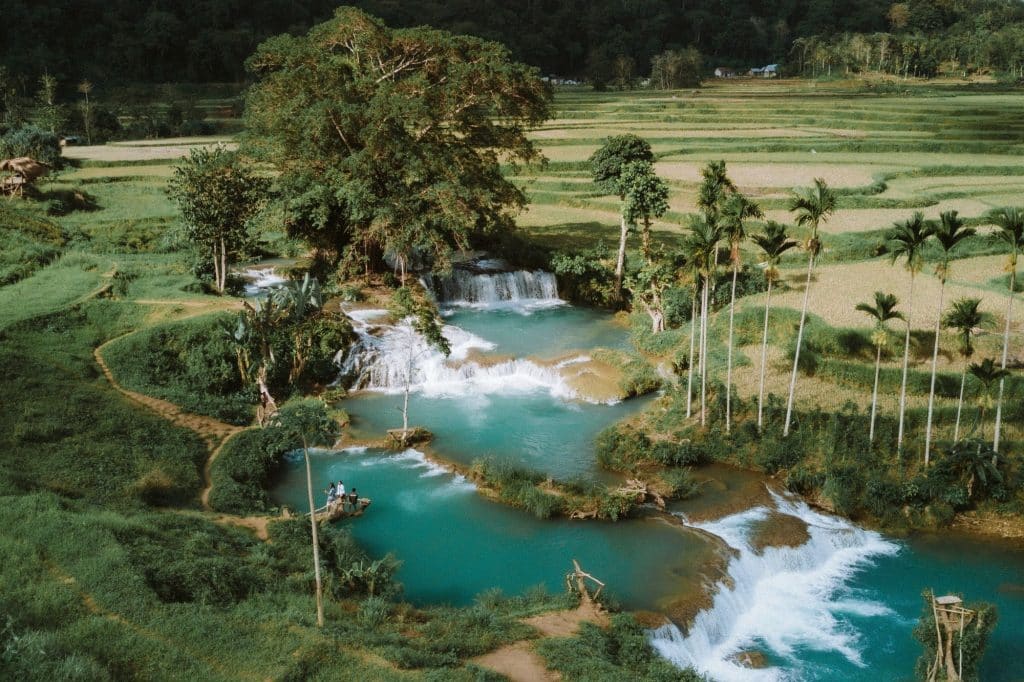
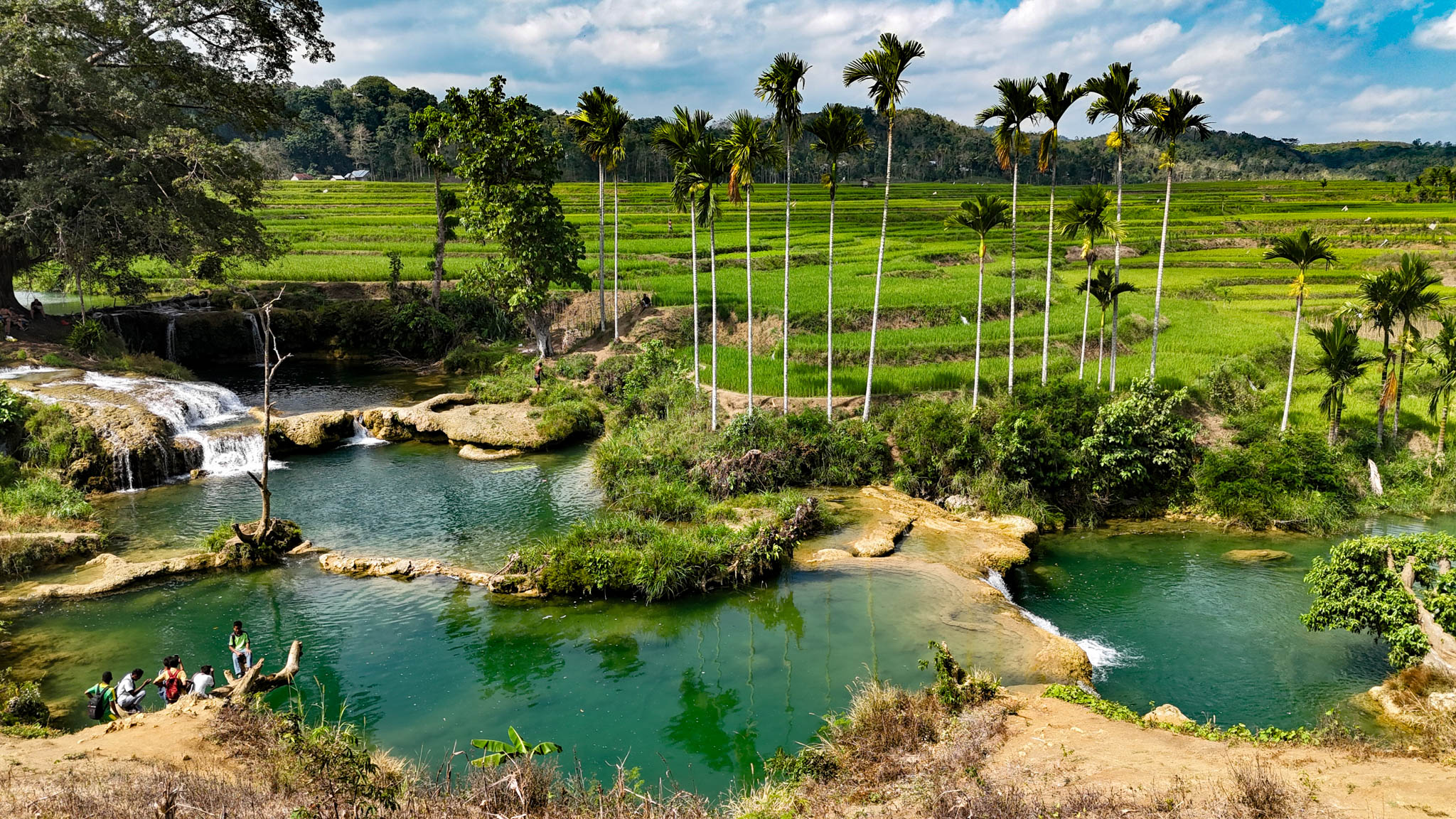
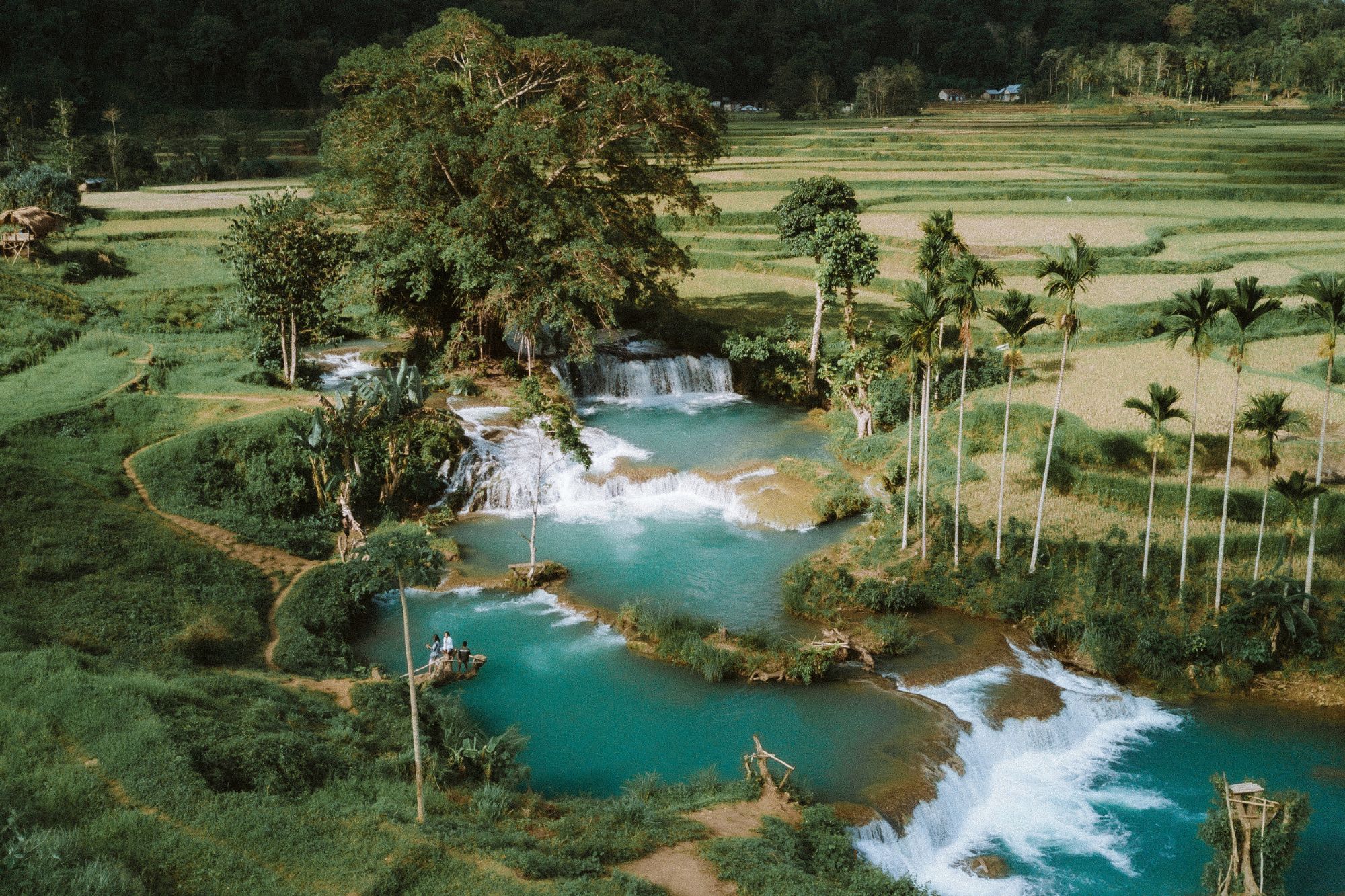
Traditional rice fields and natural pools in Sumba, Indonesia – a symbol of the island’s untouched nature and sustainable development.

Sumba vs Lombok: Two Visions of Island Growth

Sumba vs Lombok: Which Island Offers the Better Investment Opportunity?

Sumba and Lombok are two Indonesian gems drawing rising investor interest, but they offer very different paths. Lombok, long a laid-back surfers’ haven near Bali, is now rapidly developing with government-backed projects and big tourism investments. Sumba, in contrast, remains a quiet frontier of “barefoot luxury,” prized for its untouched nature and exclusive vibe.

This article compares Sumba vs Lombok from an investment perspective, balancing Lombok’s infrastructure and visibility against Sumba’s preservation and high-end appeal. In the end, we’ll reveal why we chose Sumba for Kabisu, as the island that offers long-term value, harmony with nature, and genuine exclusivity.

Lombok: Government-Backed Growth & Mega-Project Momentum

The strengths.
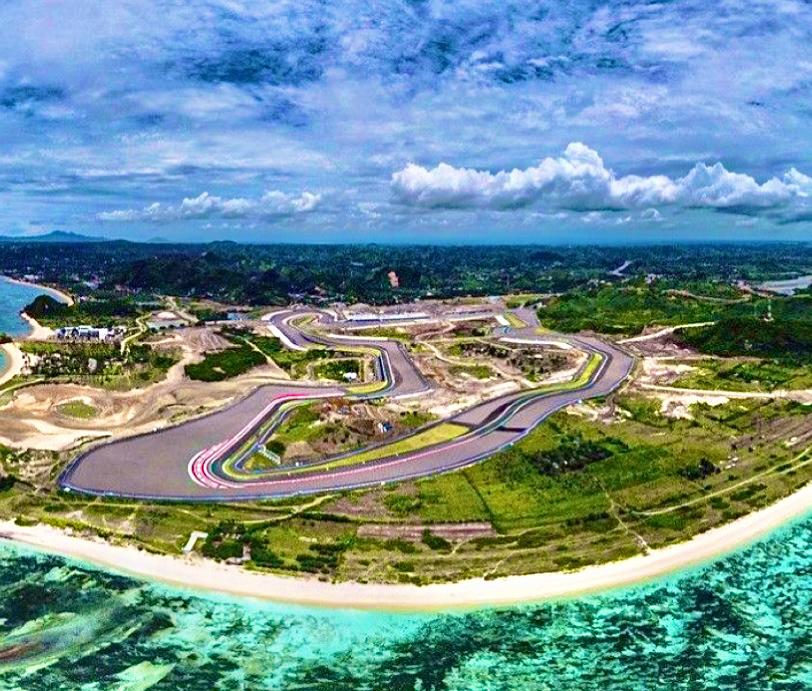
Lombok has strong tailwinds from Indonesia’s tourism planners. The island is part of a national “New Bali” initiative, with major developments like the Mandalika Special Economic Zone, a multi-billion-dollar project featuring new hotels, parks, and the MotoGP racetrack. International events have already put Lombok on the global stage, accelerating infrastructure: an upgraded airport, new highways, and direct flights from hubs like Kuala Lumpur, Singapore, and Perth. For investors, this creates a maturing market: accessible, visible, and supported by policy.

The challenges.
The flip side of Lombok’s boom is the risk of “Bali-fication.” Rapid growth and mega-projects such as the proposed Marina Bay City resort, promising hundreds of rooms, may flood the market with supply. While such projects bring more guests, they can also trigger a race to the bottom on room rates as competition rises. Beyond economics, there’s cultural and environmental strain. Local communities have raised concerns around Mandalika’s development, issues echoed in BBC coverage. Lombok’s challenge now is to grow without losing the identity that made it special.

Sumba: Preserved Paradise with Exclusive Upside

The strengths.
Sumba’s allure lies in what it doesn’t have. The island, roughly twice the size of Bali, has no international airport, no crowded highways, and only a handful of boutique resorts. That’s not a weakness; it’s the foundation of its exclusive, low-density appeal.

Access currently requires a short hop from Bali, and soon, from Lombok itself, with a new direct route expected to open by late 2025 or early 2026. This connection will allow Sumba to benefit from Lombok’s growing accessibility and visibility, without inheriting its mass-tourism dynamic. Lombok will bring the traffic, Sumba will capture the travelers seeking something quieter, rarer, and more meaningful. In other words: Sumba gains access, not crowds.

The result is a destination that feels untouched: wild beaches, tribal villages, and waterfalls where you can still be alone. With very limited room inventory and carefully curated projects, Sumba enjoys built-in scarcity. That scarcity gives investors an enviable advantage: pricing power. There’s no oversupply to drag down returns, and properties that align with the island’s sustainable ethos command strong occupancy and high nightly rates.

Sumba has also cultivated a luxury-first reputation. Its flagship resort, NIHI Sumba, helped anchor the island’s image as the epitome of “barefoot luxury.” New eco-conscious developments, from The Sanubari to boutique retreats and Kabisu, continue that narrative: refined design, local collaboration, and respect for the land.

The challenges.
Sumba’s slower pace and lighter infrastructure demand patience. It’s not the market for quick flips; it’s for investors seeking enduring value. But that slower development curve is precisely what protects the island. Less accessibility means more exclusivity. Every upgrade, like the upcoming Lombok–Sumba flight, is an evolution, not an explosion.

Lombok’s grand projects promise visibility and scale. Sumba’s boutique developments, like The Sanubari or Kabisu, favor long-term value through scarcity and sustainability.

Head-to-Head: Key Investment Factors

FactorLombokSumba
AccessibilityInternational airport; direct links to major Asian cities and Australia.Domestic flights from Bali and new Lombok and Jakarta to Sumba route planned (late 2025 / early 2026).
Tourism VolumeLarge and growing; broad segments from backpackers to luxury.Low volume, high-value; niche, upscale audience seeking privacy.
Development DensityRapid resort/villa growth; risk of oversupply and price competition.Low density; limited competition supports stronger ADR and margins.
Environmental & Cultural ImpactEco-initiatives exist but challenged by scale of development.Sustainability-led growth; community integration; preservation focus.
Investment ProfileFast growth; higher volatility; short-term visibility.Steady appreciation; scarcity-driven value; long-term resilience.


How Lombok’s Growth Helps Sumba

Rather than competitors, the two islands are becoming complementary. As Lombok rises in global visibility through MotoGP and mega-projects, it naturally pushes adventurous travelers to look for what’s next. With the upcoming Lombok–Sumba flight, that “next” becomes one short hop away. Sumba stands to benefit from Lombok’s marketing reach and air routes, attracting a smaller but higher-spending audience seeking tranquility after Lombok’s crowds.

Conclusion: Why We Chose Sumba for Kabisu

Both islands offer opportunities. Lombok brings momentum, visibility, and infrastructure, ideal for large operators chasing growth. But for investors looking for longevity, stability, and authenticity, Sumba stands apart.

Its controlled development, commitment to nature, and limited supply make it uniquely resilient. With the upcoming Jakarta and Lombok–Sumba flight, the island is entering a new era: accessible enough for discerning travelers, yet still far from the noise. Sumba will enjoy the benefits of Lombok’s rising profile while keeping its essence intact.

At Kabisu, that’s exactly why we chose Sumba. We believe the future of tourism isn’t in mass expansion but in meaningful development, where quality, culture, and nature create sustainable value. Investing here isn’t just a financial decision; it’s a statement of intent.

Sumba is not the next Bali or Lombok.
It’s something rarer, and that’s precisely its strength.

Convinced by Sumba? Here’s everything you need to know about getting to Sumba: flights, ferries, and transfers.

Discover More About Sumba

Kabisu Villas: Refined Tropical Living, Built to Last

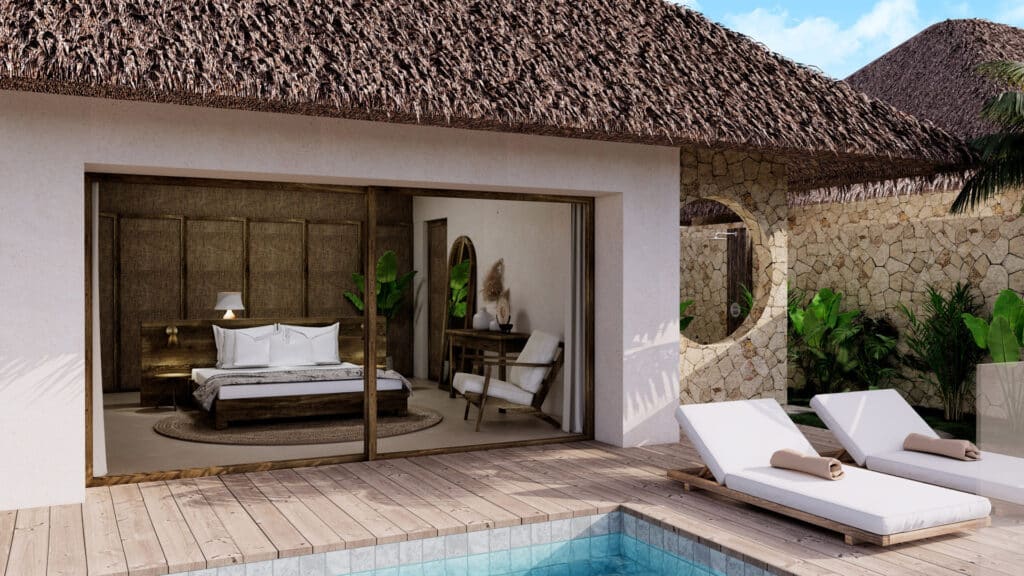
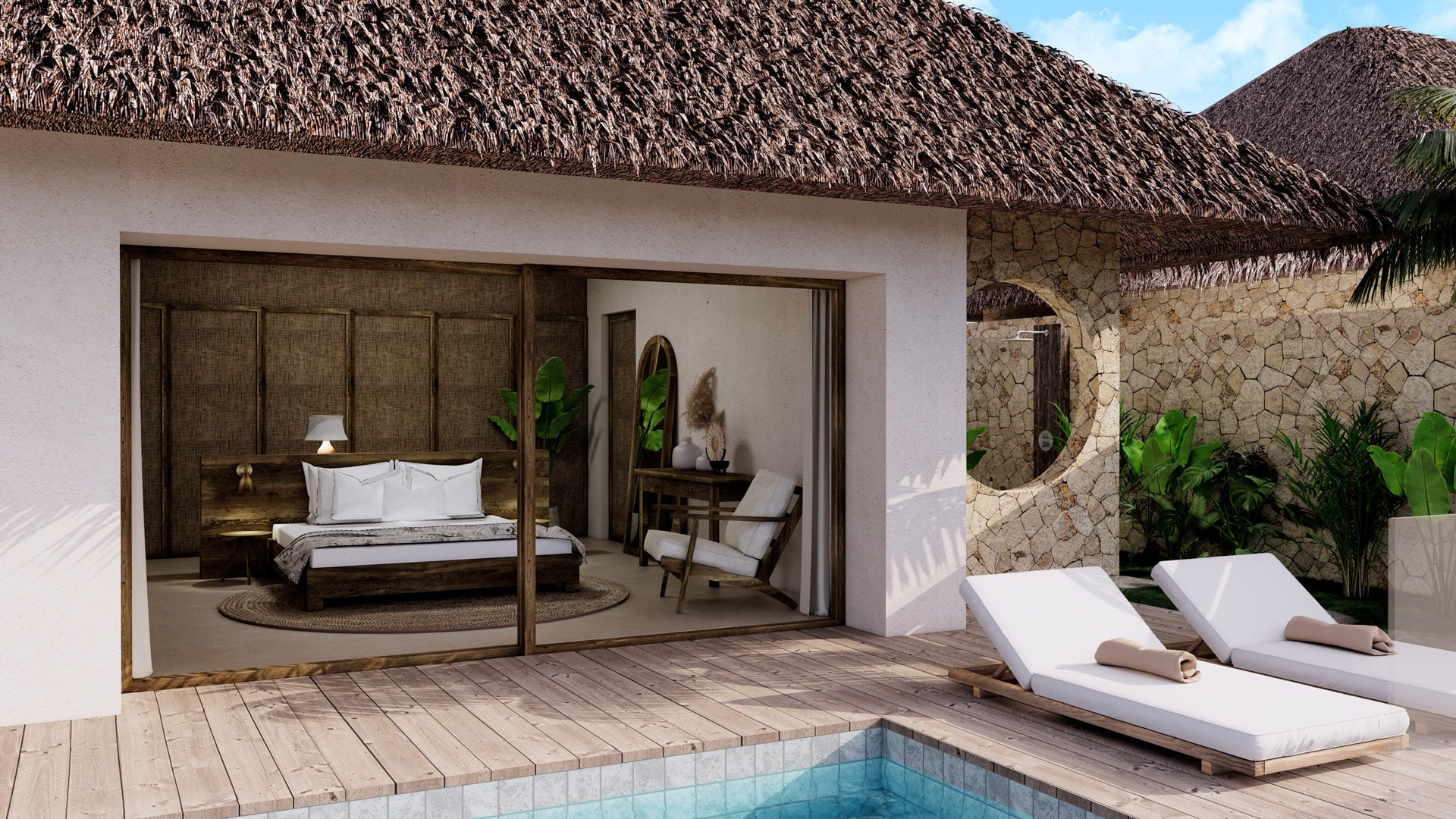
Kabisu Villa - Bedroom

Kabisu Villas: Refined Tropical Living, Built to Last

Perched on Sumba’s sunlit coastline, the Kabisu Villas bring together thoughtful design, local craftsmanship, and long-term sustainability. The villas are part of a resort model focused on rustic luxury, comfort and enduring value. Here, architecture and nature coexist in balance. Kabisu is a sanctuary designed for those who crave both serenity and connection.

The Rhythm of the Seasons

Sumba’s landscape is shaped by its distinct tropical weather. The wet season with its plentiful rainfall and lush vegetation, followed by the dry season with fresh nights and breezy sunny days. Kabisu’s villas are built to celebrate this climate, embracing both its energy and its calm. Thatched roofs provide protection from heat and sound, architecture enables cross-breezes, and generous eaves protect from both sun and rain. The result is a home that remains cool, quiet, and efficient year-round.

Connected Living, Effortlessly Comfortable

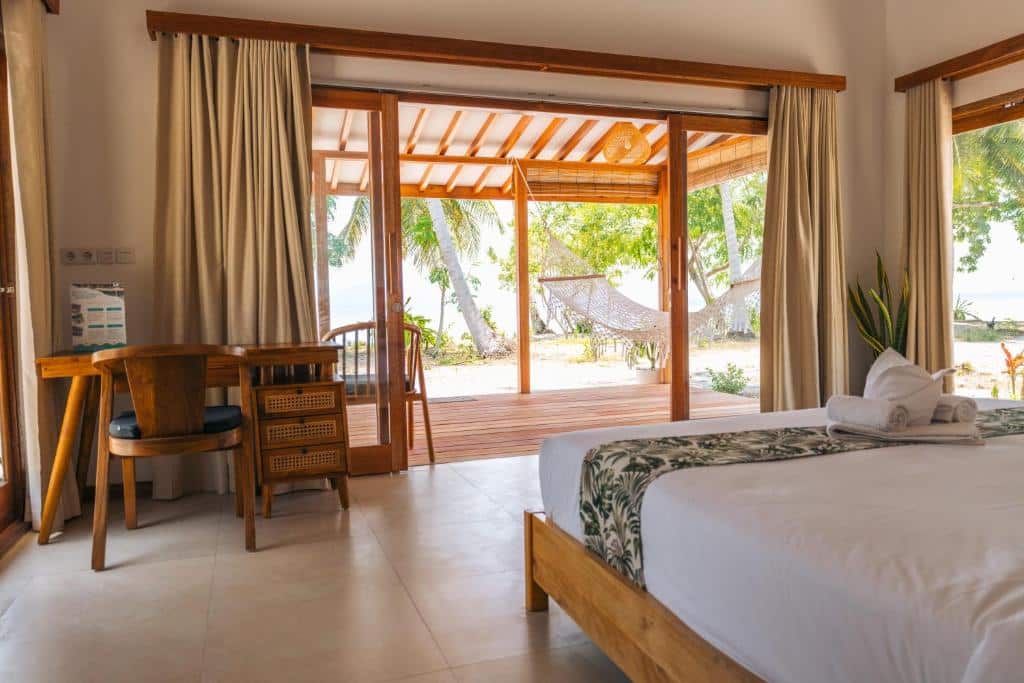
From the moment you step inside, the villa feels alive – open, light, and in harmony with its surroundings. Large glass panels open toward ocean and garden views, bringing the outside in while maintaining perfect comfort. Sliding feature panels connect the bedroom and living area, offering flexibility between open-plan flow and cozy privacy.

The living area’s vaulted ceiling exposes beautiful architecture, adds character and a sense of spaciousness, while the bedroom’s lower ceiling enhances intimacy and cool comfort, making both air-conditioned and naturally ventilated nights equally restful. The bed faces unobstructed views, keeping you connected to the breeze and the beauty of nature even during quiet daytime rest.

Thoughtful touches – soft lighting, high-quality mattresses, organic linen and a curated pillow menu all ensure every comfort feels effortless. A large wardrobe keeps the minimalist space serene and clutter-free, while a generous desk behind the bed invites creativity, inspired by the picturesque view.

The bathroom completes the tropical experience: an open-air sanctuary surrounded by greenery, featuring a bathtub with a beautiful view, a shower beneath the stars, and high-quality, beautifully scented eco-friendly toiletries, the perfect closure to the day.

A Space to Unwind

Every detail at Kabisu Villas is designed to make your stay enjoyable whether for a short escape or an extended retreat. The kitchenette and dining space include all the essentials for comfortable in-villa dining, while the spacious living area invites relaxation at any time of day.

Outside, the terrace features a private plunge pool, sun loungers, and a shaded nook, where a pergola draped in tropical vines creates the perfect spot for sunrise coffees or sunset reflections.

Built with Care, Managed with Experience

Kabisu is developed by a team with over 20 years of experience in building and operating successful resorts across Indonesia. Our design philosophy is rooted in longevity and environmental responsibility. We strive to balance form and function, prioritize locally sourced and sustainable materials, and integrate renewable energy wherever possible. We also apply practical, nature-based solutions such as rainwater collection systems that nourish the gardens and natural reed-bed filtration that purifies wastewater before it returns to the land. These choices are not only eco-conscious, they are economically sound. They reduce maintenance costs, enhance guest comfort, and preserve the property’s long-term value.

Kabisu villa is more than a tropical escape, it’s a living, breathing investment.
Built for comfort, crafted for longevity, and managed with care, each home embodies the perfect harmony between emotional appeal and financial intelligence: a rare blend in today’s world of short-lived developments.

Discover More About Sumba

The Villa Shared Pool: Simple, Fair, and the Safest Way to Invest in Indonesia

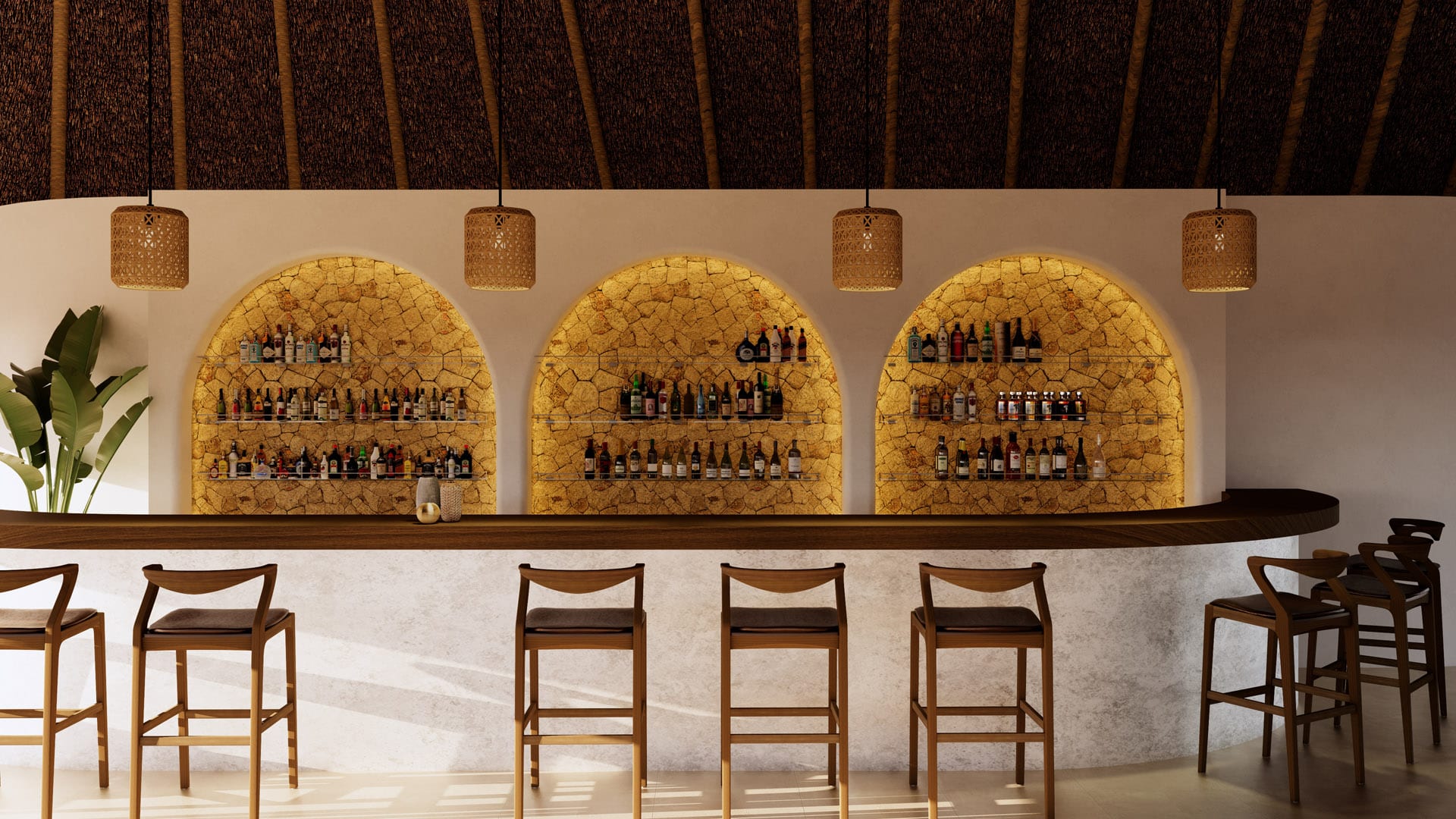
The Kabisu Bar

The Villa Shared Pool: Simple, Fair, and the Safest Way to Invest in Indonesia

Individual villas can perform unevenly. Seasons shift, unforeseen maintenance issues, and a single bad review can tilt results. Kabisu solves this with a shared villa pool that rewards great operations, not luck, while using the legally safest structure available to foreign investors in Indonesia.

How the Villa Shared Pool Works

  1. Bookings across the collection: All guest bookings from the 10 villas are combined into one pool.
  2. Standard deductions: From total bookings we deduct
    VAT, booking platform fees, management, and maintenance. The professional costs required to keep service consistent and reviews strong.
  3. Net pool: What remains forms the net rental pool.
  4. Distributions to investors: The net pool is distributed to investors (pro-rata to their participation). Investors receive reports twice a year, and dividends are paid every six months.

The result: fairness and predictability. The pool smooths natural differences between villas (occupancy, maintenance, small variances), so everyone benefits from one brand, one standard, and one commercial strategy.

Why the Pool Performs

We don’t list and wait: we go get bookings

This is not “Airbnb management.” Kabisu builds active demand through travel agencies, yoga and surf retreats (often with Bali-based teachers and instructors), curated brand collaborations, and influencers residencies.

This approach keeps Kabisu in control, not at the mercy of booking platform algorithms.

Resort-grade operations

The pool benefits from full-scale resort management, far beyond typical villa operations. From bartenders and maintenance to room service, housekeeping, and curated guest activities, every aspect is run to professional hospitality standards.

We bring in senior talent from top Bali resorts to train and mentor our on-site teams, ensuring service consistency at every level. Behind the scenes, our in-house hospitality director, part of Kabisu’s founding team, brings over 20 years of experience managing teams in remote Indonesian islands.

In a place as wild and authentic as Sumba, local knowledge and operational discipline make all the difference. That’s why Kabisu runs like a resort, not a rental.

Alignment by design

Kabisu doesn’t profit by selling villas; we earn when the villas perform.
That’s why the pool and the brand are engineered for longevity, not quick handovers.

How Revenue Flows Through the Shared Pool

🏡

1. Bookings

Guest stays across all 10 villas are pooled together under one resort operation.

💼

2. Standard Fees

Booking platforms, VAT, management, and maintenance costs are deducted to maintain high service standards.

💰

3. Net Pool

The remaining revenue forms one transparent rental pool shared among all investors.

📈

4. Distributions

Investors receive proportional dividends and detailed reports every six months.

This structure ensures fairness, transparency, and predictable income for all investors.

Ownership You Can Live With

  • Up to six weeks free each year for personal stays.
  • Option to extend at exclusive owner rates.
  • When you’re away, your investment works for you inside the pool.

What to Expect

  • Fairness and stability from the pool (smoothing unit differences).
  • Reports twice a year and dividend distributions every six months.
  • Performance driven by operations, not by algorithms.
  • A brand built to last: we build for decades, not for handovers.

We don’t sell pictures or spreadsheets. We build and operate a resort.

Frequently Asked Questions

How often will I receive updates and payments?

Investors receive detailed reports twice a year, and dividends are distributed every six months directly from the rental pool.

Do my personal stays reduce my income?

Your first six weeks of stay each year are completely free and have no impact on your investment returns. If you choose to stay longer, the additional nights are simply deducted at cost from the shared revenue pool. A fair system that keeps everything transparent while giving you full flexibility to enjoy your villa whenever you wish.

Why not own one villa individually?

Single-villa ownership exposes you to seasonal, maintenance, and occupancy risks. The shared pool smooths these variations across the entire resort, providing fair, stable returns for every investor.

Is this model legal for foreign investors?

Yes. All operations are held under a properly capitalized PT PMA, the only compliant structure that allows foreigners to own, operate, and earn income in Indonesia. It also enables fractional ownership within one legally regulated company.

Discover More About Sumba

Beyond Renders & Spreadsheets: Building a Resort That Truly Performs.

Kabisu - Lounge & Restaurant - 2

Beyond Renders & Spreadsheets: Building a Resort That Truly Performs.

We don’t sell pictures or spreadsheets. We build and operate a resort.

It’s easy to make a stunning 3D render.
It’s harder to deliver it on budget, with quality, in a remote corner of Indonesia, and then run it so guests come back, year after year.

Kabisu is a builder and an operator. We don’t profit by selling villas; we build for decades and manage for performance. That’s the difference between us and real estate developpers.

1) Building where most stop: remote execution, not just design

Renders don’t move materials, and spreadsheets don’t pour concrete.
Remote islands demand logistics, planning, and a team that’s done it before.

  • 20+ years of delivery in remote Indonesia: from Sulawesi to Alor, in environments much more remote than Sumba.
  • Cost control without downgrading the product: spec discipline, local sourcing when it’s smart, and quality checks that protect the brand.
  • Infrastructure first: roads, power, water, waste and staff housing so operations are stable from day one.

This is how a vision survives distance, weather, and supply chain, and still opens on time with the quality guests can feel.

2) From keys to culture: operating like a boutique resort

Handing over keys is not hospitality.
The moment a resort opens is when the real work begins: standards, training, and guest experience.

  • In-house staff training, led by a founding team member with 20 years of experience training staff in remote Indonesia.
  • Senior hires from top Bali brands (bartenders, kitchen, housekeeping leads) who mentor local teams: skills stay on the island.
  • Service playbooks adapted to remote contexts so quality is consistent through seasons and staff changes.

Great stays don’t happen by chance. We design them operationally.

3) Not “Airbnb management”: we go get bookings

Listing villas online and waiting is not a strategy.
Kabisu runs active demand generation so occupancy doesn’t depend on chance.

  • Travel & tour-operator partnerships for reliable international flow.
  • Yoga and surf retreats with Bali-based teachers and instructors who bring their communities.
  • Influencer/content residencies to create authentic reach and long-tail visibility.
  • Events (intimate weddings, corporate offsites, fishing trips) that fit the island and the brand.

This is the difference between “being listed” and being fully booked.

We don’t wait for bookings: we create experiences.
Kabisu brings guests to Sumba through curated experiences and active partnerships that keep your villas thriving year-round.

4) Alignment by design: how investors earn

At Kabisu, our model is simple:

  • We don’t make profit by selling villas.
  • We manage the property long-term and only earn when the villas perform.

All villas participate in a shared rental pool.
Guest bookings across the collection are combined; standard costs (booking platforms, management and maintenance) are deducted; the net pool income is distributed to investors. The pool smooths seasonality and unit-to-unit differences: fair, simple, transparent.

  • Reporting: investors receive comprehensive reports twice a year.
  • Distributions: dividends are paid every six months.

5) Built to last: protecting value over time

Long-term value comes from brand, consistency, and care:

  • Durable materials & maintenance discipline keep villas looking and performing like new.
  • One vision across design and operations: coherent standards protect reviews, rates, and resale.
  • Sustainability as resilience: solar, water, and waste systems that keep costs predictable on a remote island.

Owning a villa in a patchwork neighborhood is a gamble; investing within a curated, professionally run collection protects individual value.

6) Ownership you can live with

This is an investment you can actually enjoy.

  • Up to six weeks of personal stay each year free of charge.
  • Flexibility to extend your time on site at exclusive owner rates.
  • When you’re away, your investment works for you inside the managed pool.

Paradise, with a plan.

Why our model works

  • Remote build expertise delivers what 3D renders promise.
  • Resort-grade operations keep experiences consistently excellent.
  • Active demand generation fills calendars beyond platforms.
  • Aligned incentives (no profit from villa sales) keep Kabisu focused on performance.
  • Clear reporting and twice-yearly dividends give investors confidence.
  • A brand designed to last protects occupancy and resale value.

We don’t sell and step away. We build, operate, and keep improving.

Next steps

Discover More About Sumba

Sumba vs Bali: Which Destination Offers the Best Investment Potential?

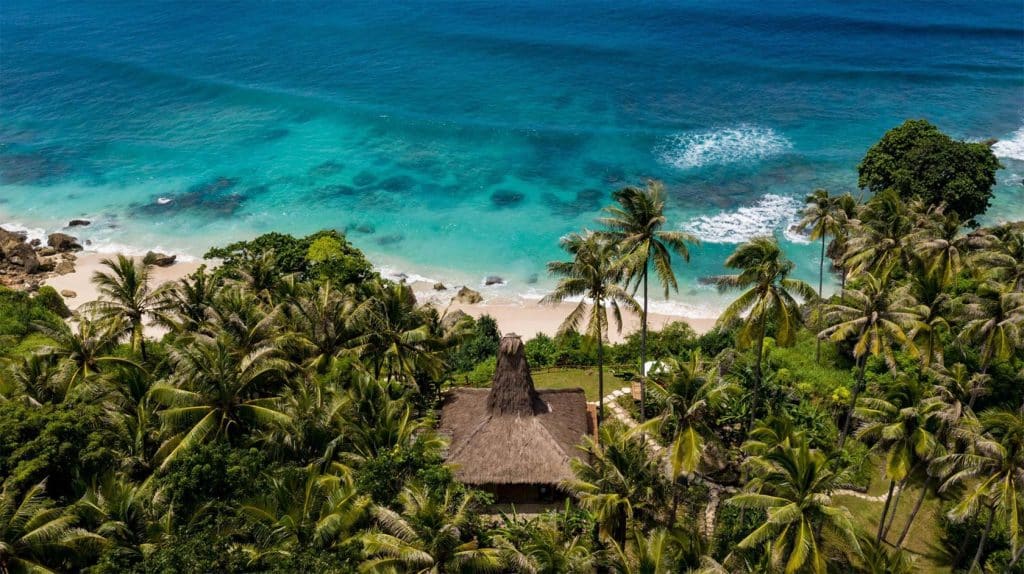
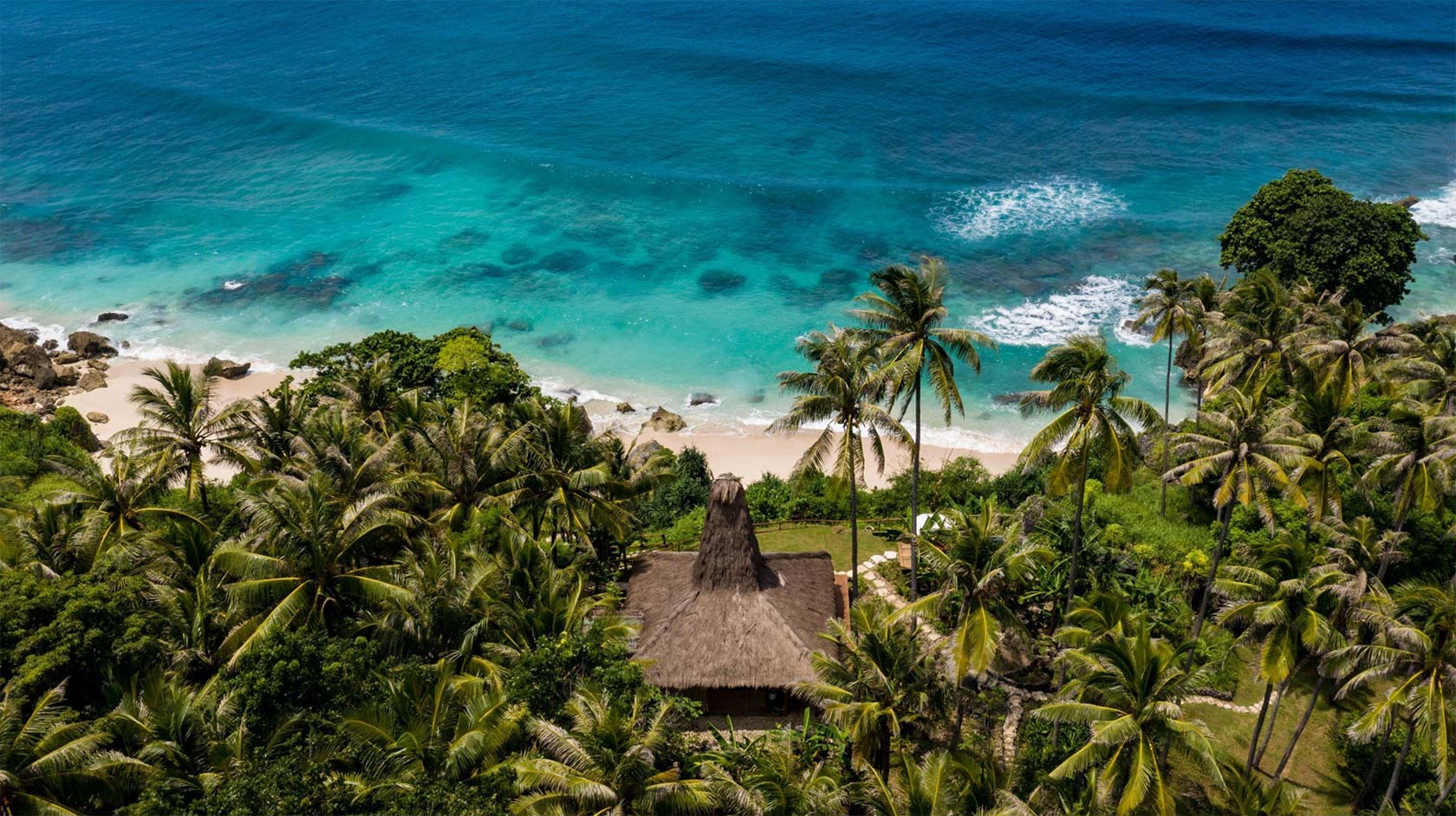
Traditional villa surrounded by palm trees on a secluded beach with turquoise ocean in Sumba, Indonesia.

Sumba vs Bali: Which Destination Offers the Best Investment Potential?

Bali is the global icon; Sumba is the insider’s play. One thrives on volume and familiarity; the other on scarcity and a luxury-first identity. If you’re weighing where capital will work harder over the next decade, the question is less about beaches and more about brand positioning, guest experience quality, and long-term demand. Bali’s visitor counts have roared back, but with them, headlines about crowding and strain; Sumba, by contrast, has quietly become a byword for barefoot luxury. TIME


Bali: The Established Giant

Pros

  • Powerful global brand with year-round demand.
  • Deep hospitality ecosystem (airlift, F&B, operators, services).
  • Broad backpacker/mid-range scene that keeps occupancy high.


Cons

  • Traffic is becoming insane in hotspots like Canggu, Seminyak, Ubud; large-scale fixes (e.g., rail) are being explored precisely because congestion is now chronic. ABC
  • Pollution/waste reputation hurts premium perception; recurring beach cleanups and policy pushes make regular news. France 24
  • Experience risk: when roads jam and beaches need cleaning, the guest journey (airport→villa→attractions) can suffer. South China Morning Post

Context: Bali welcomed ~6.33M international visitors in 2024 and aims even higher, underlining demand, but also the pressure on infrastructure and environment. TIME

Bali vs Sumba: A Tale of Two Traffics

In Bali, traffic jams have become part of daily life, especially in hotspots like Canggu. What used to be a quick ride often turns into an hour-long wait, with motorbikes and cars stacked bumper to bumper. In contrast, Sumba’s roads remain quiet and authentic, where the only traffic you might meet is a goat or a buffalo.

Sumba: The Rising (Luxury) Star


Pros

  • A luxury-first destination anchored by NIHI Sumba voted #1 hotel in the world by Travel + Leisure in 2016 and 2017, and supported by new high-end boutiques like The Sanubari. This halo effect signals strong average daily rates and discerning clientele.
  • Exclusivity by design: lower tourist density preserves nature and culture, lifting perceived value and guest satisfaction. Editorial coverage frames Sumba as “a world away” despite its proximity to Bali. Vogue
  • Access that works for premium travel: short, regular flights from Bali and Lombok to Sumba (Tambolaka) make “fly-and-flop” effortless for high-intent guests. See our article “How to get to Sumba”.


Cons

  • Lighter infrastructure than Bali (exactly why it feels exclusive).
  • Fewer nightlife/shopping magnets; it’s experience-led, not scene-led.
  • Growth depends on thoughtful, sustainable development, which is precisely the appeal for many investors.


Key Investment Differences


1) Demand shape & brand

  • Bali: mass-market gravity; high volume across backpacker to mid-range.
  • Sumba: luxury-forward with an established icon (NIHI) and rising boutique stock, ideal for premium positioning.


2) Competition density

  • Bali: very high inventory and crowding in key hubs; differentiation can be costly.
  • Sumba: limited high-end supply → natural scarcity supports rates/occupancy for well-run properties.


3) Access & connectivity

  • Bali: wins on sheer flight volume and ease.
  • Sumba: 50 minutes hops from Bali; fewer frequencies, but enough for luxury travelers planning ahead.


4) Experience quality risks

  • Bali: traffic gridlock and waste headlines make service delivery less predictable and hurt guest experience. Who wants to say stuck in traffic during holidays?
  • Sumba: low density preserves the “paradise” feel central to premium / luxury looking guests ready to pay for higher daily rates.


5) Sustainability trajectory

  • Bali: ramping up fixes (tourist taxes, cleanups, rail planning).
  • Sumba: growth narrative is community and nature-aligned, reinforcing long-term brand equity for eco-luxury rental property and villas. (Editorials consistently frame Sumba as “untouched” and experience-centric.) Vogue


So…Which One Wins?

If your thesis is premium yield via scarcity, brand, and guest experience quality, Sumba has the edge. Bali remains dependable on volume, but the very scale that drives occupancy also creates noise, traffic, crowding, and perception risks, especially for upscale stays in busy corridors. Sumba is earlier in the curve and distinctly luxury, which is exactly where long-term, high-margin rental property plays tend to thrive.

Interested in visiting Sumba before investing? See our complete travel guide: Bali to Sumba is just a 50-minute flight.


Why Kabisu Is Positioned for This Growth

If Sumba is the future of premium Indonesian tourism, Kabisu is your way in. We design and operate eco-luxury villas built for today’s traveler: private, sustainable, and deeply connected to nature.

Our model makes ownership seamless, from villa management and guest experience to revenue sharing, so you capture the upside of Sumba’s rise without the operational burden.

Curious how this works in practice? Explore our Investment page to see the full model and discover how you can be part of Sumba’s future.


FAQs on Sumba vs Bali Investment

Is Sumba better than Bali for luxury rental property?

For upscale guests seeking privacy and nature, Sumba’s low-density, luxury-first positioning often delivers a stronger experience and pricing power than Bali’s crowded hotspots.

How easy is it to reach Sumba from Bali?

There are 4 daily 50 mns flights from Denpasar (Bali) to Tambolaka (Sumba) and new flight routes from Lombok and Jakarta are planned from end of 2025. 

What type of traveler chooses Sumba over Bali?

Sumba attracts design and nature-led travelers who value space, privacy, and unique experiences over nightlife and shopping. It’s ideal for eco-luxury stays and adventure-curious guests.

Does Bali’s traffic and waste problem affect guest experience?

In popular areas, congestion and periodic beach cleanups can impact the experience. Bali is investing in solutions, but high visitor volumes continue to create pressure in peak zones.

What makes Sumba’s investment story different from Bali’s?

Bali is a mature, volume-driven market; Sumba is earlier in the curve with a clear luxury identity and limited high-end supply, favorable dynamics for premium rental property.

How does Kabisu support owners?

We handle end-to-end operations, guest acquisition, on-island service, and reporting, so owners benefit from Sumba’s premium positioning without the day-to-day work.
What is the rental property potential in Sumba compared to Bali?

While Bali’s market is saturated with mid-range villas, Sumba’s limited high-end supply means well-managed villas can achieve strong occupancy and nightly rates, especially as luxury demand grows.

Is Sumba a good place to invest in rental property long term?

Yes. As tourism expands in a sustainable, low-density way, early investors in Sumba rental properties are positioned to benefit from both rising nightly rates and long-term appreciation.

Discover More About Sumba

Sumba Investment Outlook 2030: Infrastructure Growth and the Rise of Indonesia’s Last Hidden Paradise

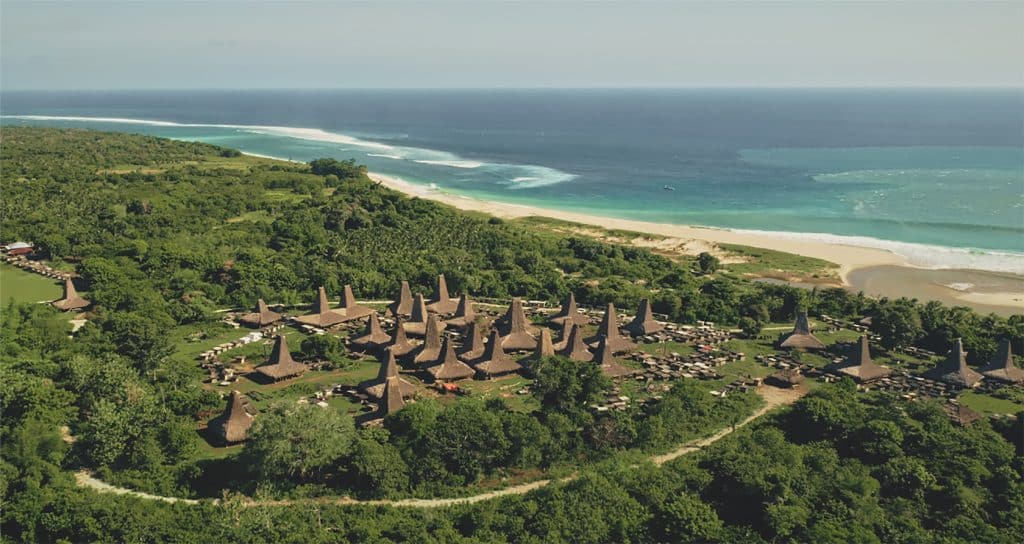
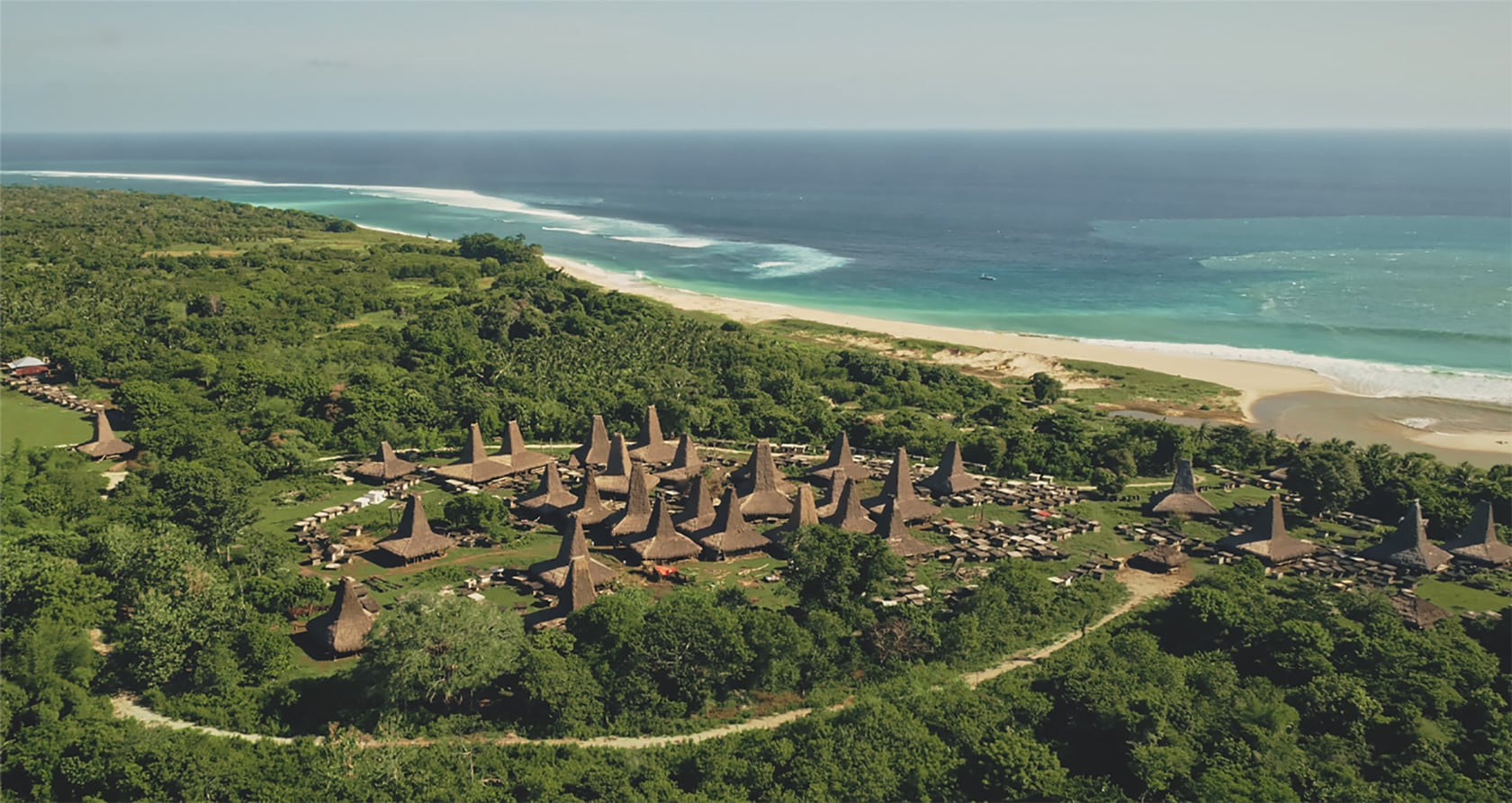
Aerial picture of a traditional village in Sumba, Indonesia

Sumba Investment Outlook 2030: Infrastructure Growth and the Rise of Indonesia’s Last Hidden Paradise

Sumba, Indonesia, stands at a crossroads. Once bypassed in the national development narrative, it is now experiencing a decisive transformation thanks to unprecedented infrastructure investment, a pivot toward sustainability, and surging global attention. 

1. The Infrastructure Revolution: Roads, Ports, Power, and Connectivity


Maritime Access & Ports

Sumba’s logistical lifelines, Waingapu (east) and Waikelo (west), are seeing major upgrades under Indonesia’s strategic push to modernize transport in overlooked regions. Waingapu, now handling increased cargo and passenger ferries linking to Kupang, Surabaya, and Flores, boasts a larger bulk-cargo quay and computerized handling. Waikelo backs ferry and regional trade, underpinning the new wave of sustainable tourism and logistics for land development.

Learn more about Sumba’s port projects:


Roads and Overland Transport

A decade ago, Sumba’s interior was accessible only to the intrepid. By 2025–26, government mandate has delivered a fully paved arterial road from Waingapu (east) to Tambolaka (west), the Trans-Sumba Highway, reducing cross-island traverses from 8 hours to just under 4. Secondary roads, especially those serving tourism clusters (Kodi, Kerewe, Puru Kambera), are mid-upgrade. Inland routes to waterfalls and megalithic sites remain mixed quality but are improving annually, with dedicated Public Works Ministry (PUPR) funding.


Flight Access and Airports

Tambolaka Airport and Waingapu Airport now serve direct daily flights from Bali, regular links from Surabaya, and new charters from Jakarta are on the horizon for 2026. Terminal expansions due to finish Q4 2025, will boost passenger handling from 90,000 to 350,000 annually, supporting the island’s leap in visitor numbers and easier international and domestic investor access.

Sumba’s connectivity is improving fast. For current routes and options, see our guide on how to reach Sumba.


Power and Renewable Energy: “Sumba Iconic Island”

Indonesia’s “Sumba Iconic Island” (SII) initiative targets 100% renewable energy for Sumba by 2035, driving solar micro-grids, hybrid systems, and rural electrification. Over 40 villages now enjoy continuous off-grid or hybrid solar electricity, essential for eco-resorts, villa clusters, and digital nomads. Waingapu and Waikabubak, the major towns, have stable power, while rural and new-build resorts employ roof-top solar, battery storage, and are tapping into large-scale hydrogen projects by HDF Energy.

See full technical overview and policy:


Telecoms & Internet

Sumba’s fiber-optic roll-out (operational since Feb 2025) brings 4G/5G speeds to coastal towns, allowing stable connection for e-commerce, remote work, and property management. However, signal in deep rural areas may rely on satellite or antenna repeaters, a key point for investors eyeing remote tracts.

If you’re considering investing soon, our guide to investing in Sumba in 2025 covers practical steps and local tips.

2. Tourism and Demographic Trends: Growth with Guardrails

Sumba’s visitors remain just a fraction of Bali, about 35,000 expected in 2025, projected to exceed 70,000 by the decade’s close as direct flights, port upgrades, and eco-resorts multiply. These numbers reflect both the island’s niche market and its deliberate capacity restraint: even by 2030, Sumba will have fewer than 1,000 rooms: less than a single big Bali resort, preserving exclusivity and value.

YearArrivals (thousands)
201915
20202
20213.5
202213
202323.5
202426.5
2025 (estimated)35
2030 (estimated)70

International brands (NIHI, Cap Karoso, Maringi) and West Sumba projects (Kabisu Sumba) dominate, with new government zoning opening Mananga Marapu and Puru Kambera in the east for eco-tourism and cultural stays. Domestic visitors (esp. from Jakarta, Surabaya) now make up 50–60% of the mix, driving festival season peaks and cultural circuits.


3. Property, Land & Investment: Transparent Framework for 2030

Land Market: Opportunity and Resilience

Sumba’s land market remains among Indonesia’s fastest-appreciating. As of 2025:

  • Beachfront (West Sumba): US$55–130/m² (up 38% YoY).
  • Cliffside and surf-adjacent land: US$4–10/m² in Tawui, Rambangaru.
  • Urban/peripheral plots (Laipori, near Waingapu): US$3.50/m² and rising as infrastructure draws sprawl.

See real listings and comparative analysis for current benchmarks:


Legal/Ownership

Foreign investors legally acquire land under 25–30-year renewable leaseholds, via a local nominee, or by forming a PT PMA for 80 years renewable (foreign investment company). Sites that already have tourism/cluster zoning and infrastructure (roads, electricity) drastically reduce setup time and risk.

Guides and legal strategy:


4. Investing in Infrastructure-Backed Hotspots

West Sumba claims first-mover status (Kodi, Tawui, Rua Beach), with proximity to luxury resorts, surf zones, and robust utility/road access. East Sumba, still raw but now with government tourism incentives, port access, and fiber—is a slower but high-upside bet.

For area case studies and ROI calculations:


5. Sustainability, Culture and Long-Range Policy

Sumba stands apart for community-first, sustainability-focused codes (mandatory 50m coastal setback; water, waste mandates for new builds). The Sumba Iconic Island and new green zones foster solar and rain capture. All land development now requires participatory zoning with Marapu elders, a crucial process for investor approval, but a robust shield for culture and environment.


6. Challenges and Cautions

  • Wet season logistics: Some rural routes remain slow/passable only by 4WD for part of the year.
  • Land due diligence: Title records can be uncertain outside government-backed zones, always verify cadastral status with a trusted notary.
  • Social License: Early, sincere engagement with village heads, community liaisons, or local Kabisus (clans) is non-negotiable for long-term project success.


Conclusion:

Sumba’s road, port, power, and digital expansions by 2030 are reshaping its future without sacrificing cultural authenticity or environmental integrity. The land market is bullish but remains accessible for investors who are ready to engage honestly, build community partnerships, and innovate for sustainability.

To learn more about exclusive villa investment opportunities on the island’s surf-facing frontier, reach out to the Kabisu Sumba team. Our upcoming villas—designed for eco-conscious living, optimal rental yield, and seamless integration with Sumba’s wild landscape and thriving community, are crafted for investors who value both growth and positive impact. With Sumba’s infrastructure transformation accelerating and land availability limited, this is the moment to secure your stake in Indonesia’s last hidden jewel.

Contact Kabisu Sumba today for full villa details, on-site tours, and personalized investment consultation. Join us in shaping Sumba’s sustainable future, one villa at a time.

For a deeper understanding of the island’s culture and environment that shape its future potential, visit our Discover Sumba guide.

Discover More About Sumba

How to Invest in Sumba in 2026 – The Guide

Sumba Landscape

How to Invest in Sumba in 2026 – The Guide

Investing in Sumba, the Last Untouched Paradise

As Bali and Lombok grow increasingly saturated, savvy investors are turning their gaze east — toward Sumba, a wild and culturally rich island that’s quietly becoming Indonesia’s next frontier for sustainable development. With its rolling savannahs, world-class surf breaks, untouched beaches, and deeply rooted traditions like Marapu, Sumba offers more than just beauty — it offers meaning.

In 2025, investing in Sumba isn’t about quick wins or mass tourism. It’s about building something lasting — in harmony with the land, the culture, and the people. Whether you’re looking to acquire land, develop boutique villas, or support community-based tourism, this guide will walk you through what you need to know before stepping into one of Southeast Asia’s most promising landscapes.

1. Why Sumba? Indonesia’s Untapped Frontier

Sumba remains one of the least developed islands in Indonesia’s archipelago — and that’s precisely its appeal. While places like Bali are grappling with over-tourism and rising costs, Sumba offers a rare mix of affordability, authenticity, and room for thoughtful growth.

Before exploring the investment details, take a moment to get to know the island’s landscapes, traditions, and way of life in our Discover Sumba guide.

It has:

  • Pristine beaches and surf spots with virtually no crowds

  • Traditional villages and megalithic culture untouched by mass tourism

  • Growing media attention and inclusion in sustainable travel rankings

The combination of raw nature and rich cultural heritage makes Sumba an ideal canvas for mindful investors.


2. Is Sumba on the Rise? Signs of Emerging Growth

In the past five years, Sumba has seen:

  • Improved flight access (with daily flights from Bali to Tambolaka)

  • Upgraded infrastructure, especially in West Sumba

  • New eco-resorts and boutique villa developments beginning to appear

  • Increased government and NGO interest in sustainable tourism and development

Sumba is not a gold rush, but a slow, steady awakening. Early movers who respect the pace and rhythm of the island stand to benefit most.


3. What Can You Invest In? Land, Villas, and Hospitality

Opportunities in Sumba span:

  • Beachfront land: Ideal for long-term investment or resort development

  • Off-plan villas: High potential if paired with a strong local management team

  • Eco-resorts or boutique hotels: Small-scale, sustainable projects are welcomed

  • Community-based tourism: Partnerships with local villages to promote cultural stays or guided experiences

The key is to choose projects that align with the island’s ethos — low-impact, high-integrity.


4. Legal Framework: Can Foreigners Own Property in Sumba?

Foreigners can’t directly own freehold land in Indonesia, but there are common legal pathways:

  • Leasehold (Hak Sewa): Long-term leases (typically 25-30 years, renewable) are widely used

  • PT PMA (Foreign-Owned Company): A legal entity that allows foreign ownership and business activity, including land acquisition under the company name

  • Nominee structures (less recommended): Riskier and legally sensitive

Always work with a trusted local notary (notaris) and legal advisor familiar with land in East Nusa Tenggara.


5. Where to Invest: West Sumba vs East Sumba

  • West Sumba: More accessible (via Tambolaka Airport), closer to surf spots, emerging resorts like Kabisu Sumba, and the Pasola festival.

  • East Sumba: Rugged, more remote, and culturally rich, but requires more time and infrastructure investment.

Most early investors are focusing on West Sumba due to better infrastructure and tourism flow.


6. Partnering Locally: Why Collaboration is Key

In Sumba, community is everything. Respect for the local people, traditions, and land ownership structures is essential. Partnering with a local Kabisu (clan), village head, or cultural advisor helps:

Foreign-led development must be collaborative, not extractive.


7. Sustainable Investment: Building With Purpose

The future of investment in Sumba is sustainable. That means:

  • Using local materials and traditional design principles

  • Hiring and training locals wherever possible

  • Minimizing environmental impact (solar, rainwater collection, waste management)

  • Celebrating Sumba’s culture, not replacing it

Projects that prioritize people, planet, and profit equally will thrive here.


8. Case Study: Kabisu Sumba as a Model

Kabisu Sumba is a boutique resort inspired by the Sumbanese concept of “Kabisu” — meaning clan or tribe. The resort was designed in collaboration with local leaders, using sustainable materials, and operating with respect for Marapu traditions.

Its logo represents the Kabisu tribe, honoring the community that has protected this land for generations. Kabisu is more than a resort — it’s a cultural bridge and a working model for meaningful, long-term investment in Sumba.


9. Getting Started: Steps to Launch Your Sumba Investment

  1. Visit the island and get to know the land, the people, and the rhythm of life

  2. Connect with local experts, developers, and legal advisors

  3. Choose your model — lease, PMA, or partnership

  4. Secure land and permits through transparent channels

  5. Build with integrity, and partner with locals every step of the way


Final Thought

Sumba doesn’t need to be another Bali. It can be something far more meaningful. If you’re ready to build with purpose, invest with care, and join a growing movement of conscious developers, Sumba is waiting.

Interested in learning more about Kabisu Sumba? Click here to discover how you can stay, invest, and become part of a real tribe — not just a trend.

Discover More About Sumba